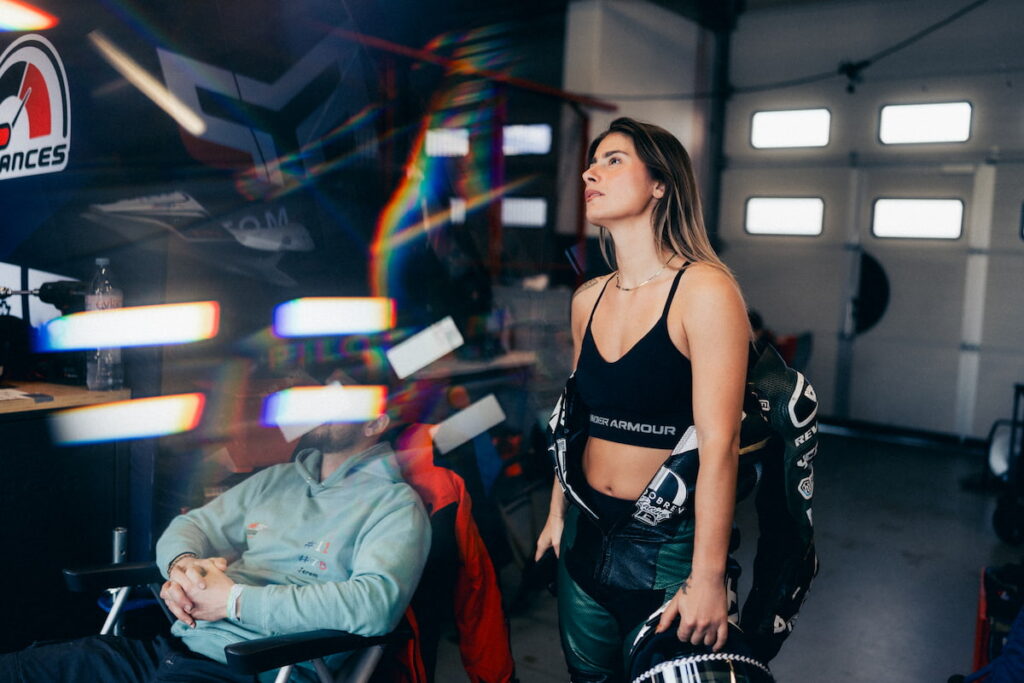
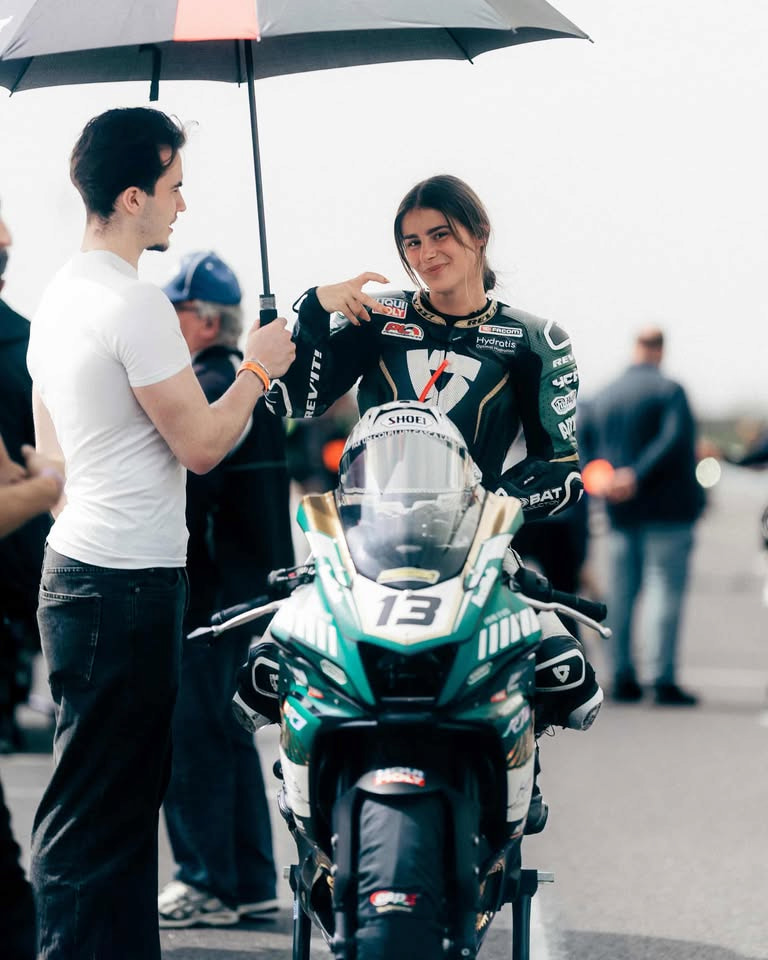
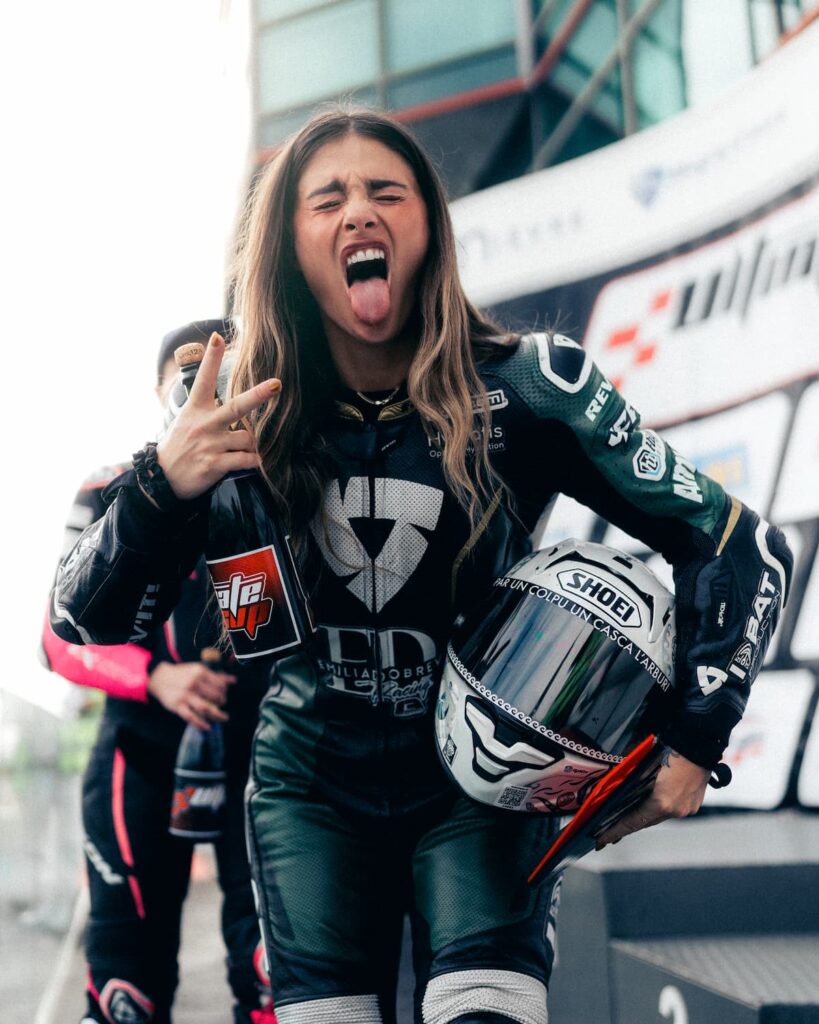
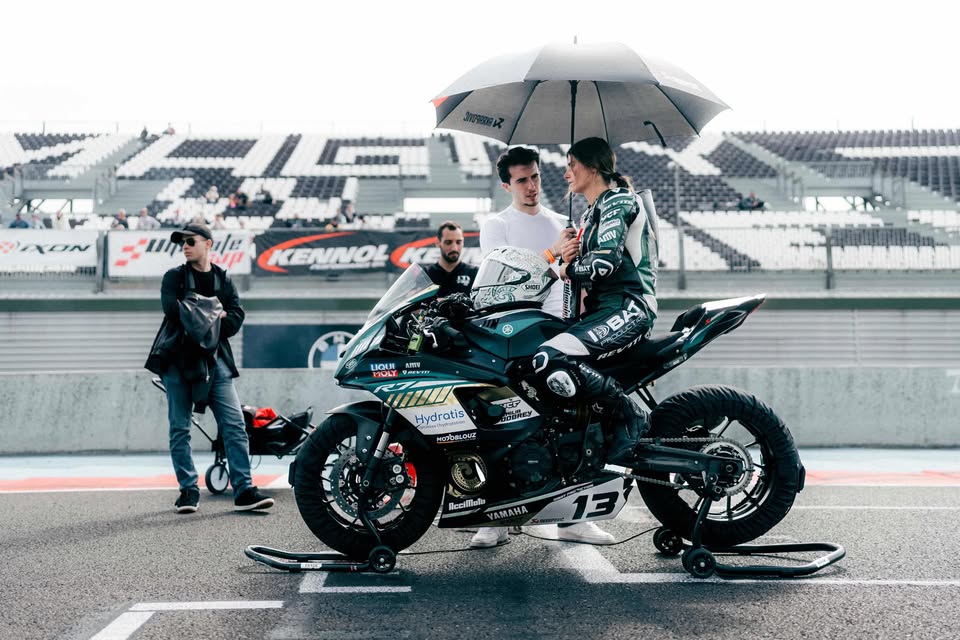
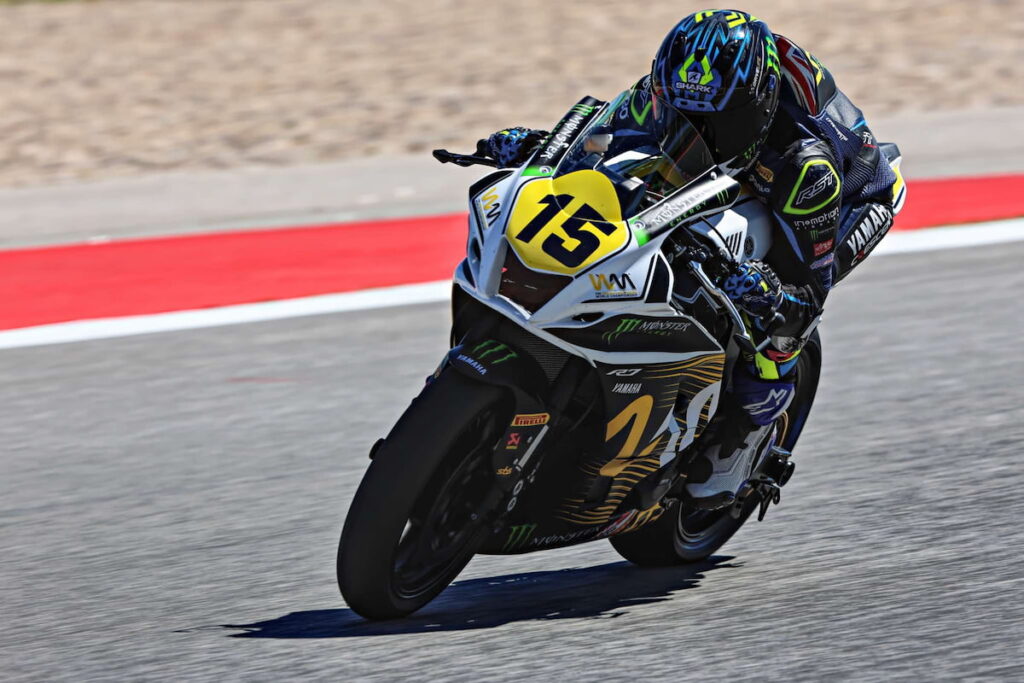
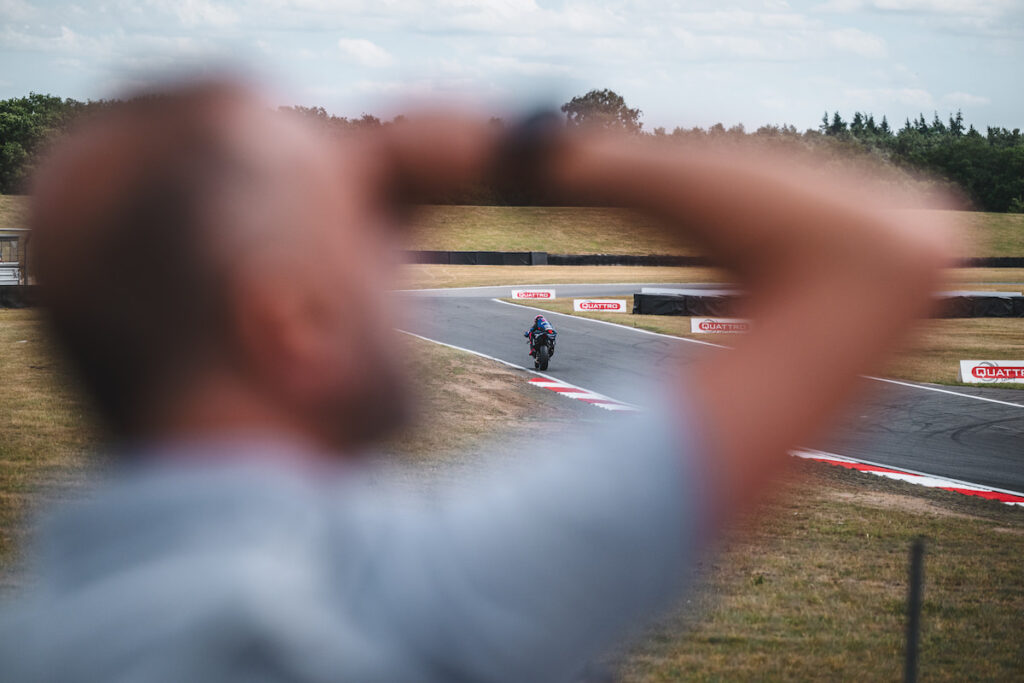
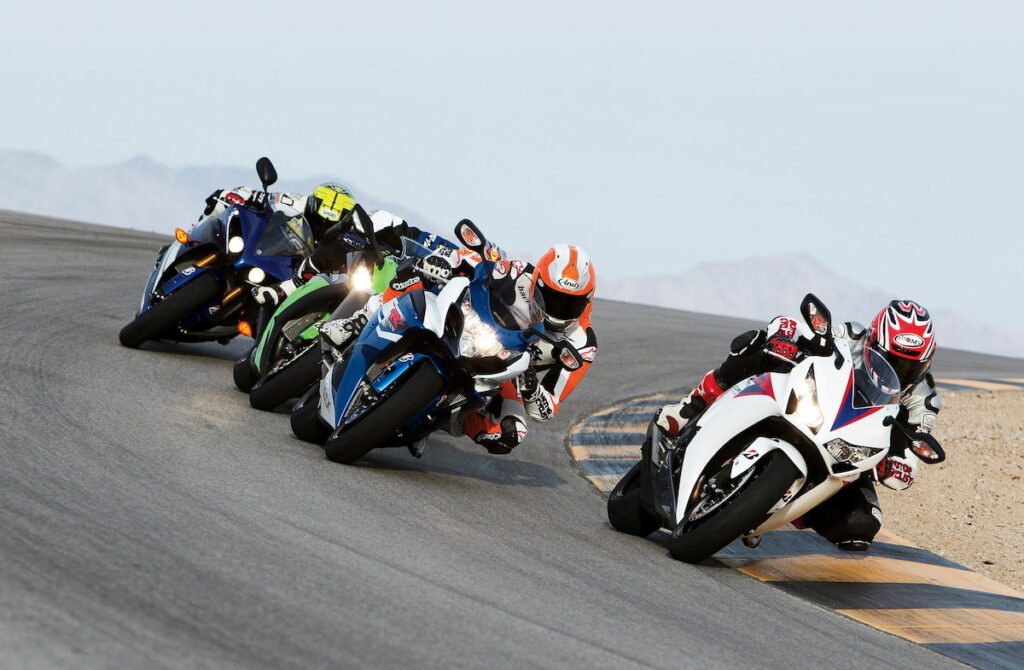
In the Production motorcycle riders’ pit with my team during the endurance championship, where we finished second. Photographs by Thomas Maquevic
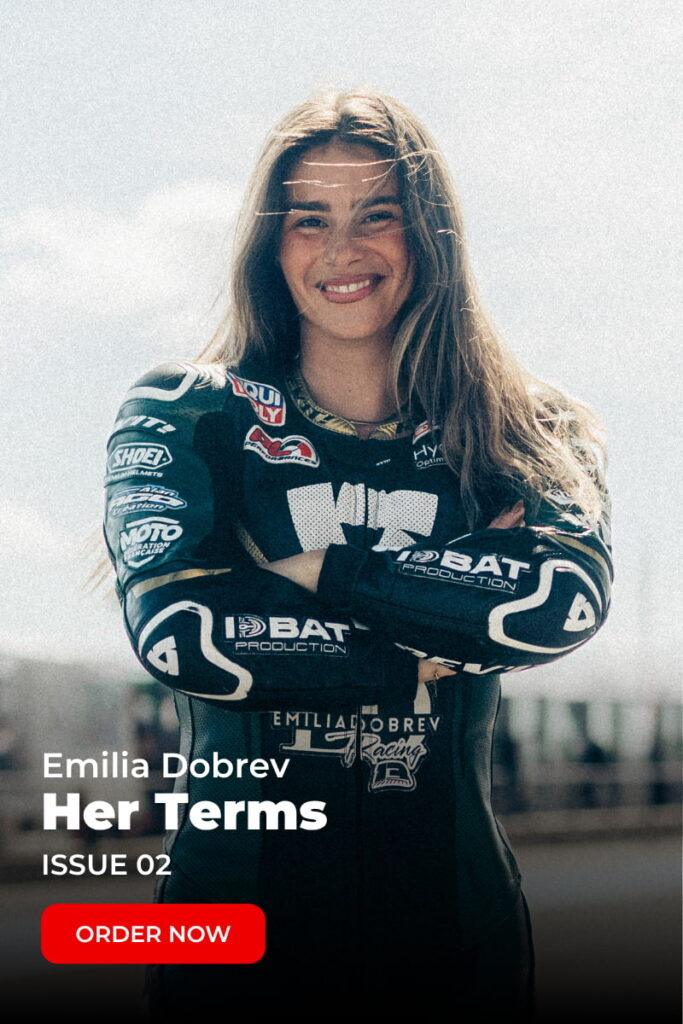
Emilia Dobrev on taking racing seriously without giving up the part of it that still feels like hers.
Emilia Dobrev does not spend much time trying to fit anyone’s idea of what a serious racer is supposed to look like.
When asked whether there had ever been a moment when she realized she did not need to match the paddock’s version of seriousness, her answer was immediate. She said she had never really felt like she had to fit anyone’s idea of anything, and she was fine being herself. That answer says a lot about the way she races now. In 2025, she entered her first full championship and realized it would take real structure, real organization, and a different kind of commitment than simply fitting riding around the rest of life.
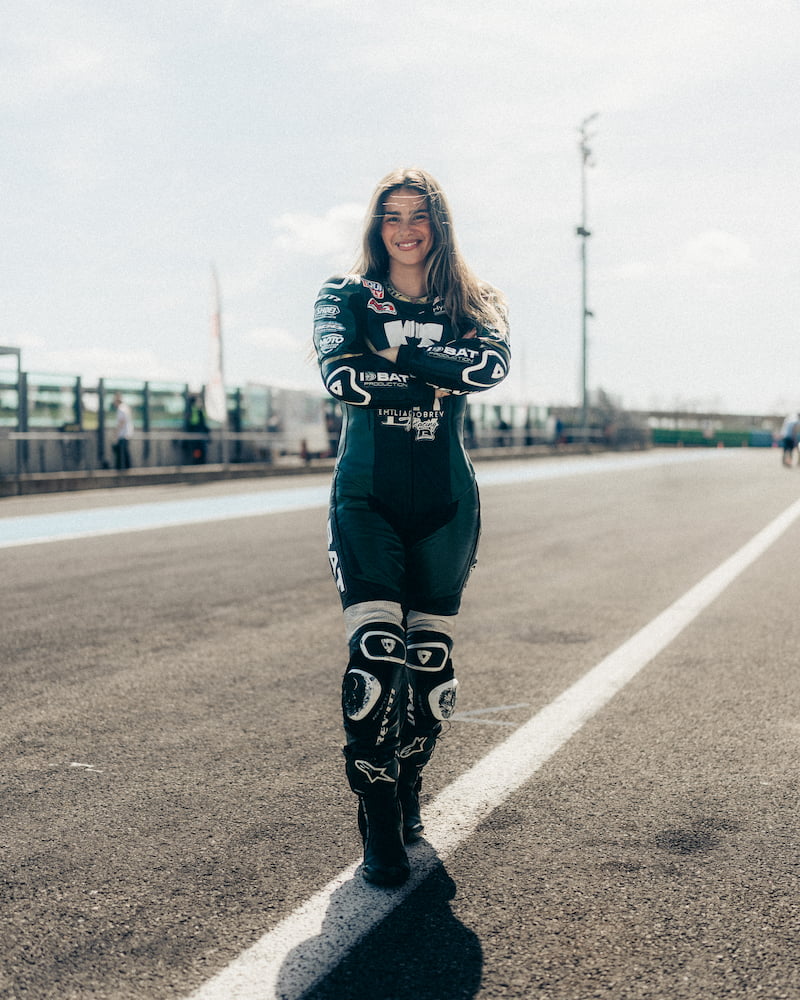
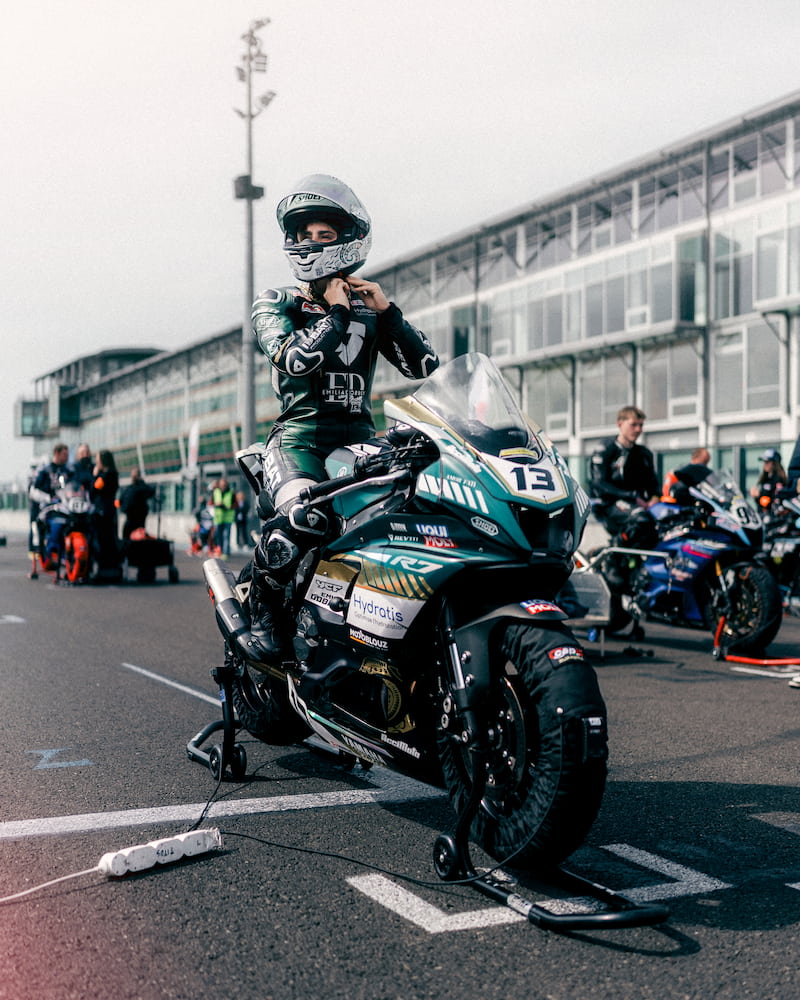
On the starting grid for the French Endurance Championship. Photography by Thomas Maquevic
Skipping Steps
Early on, Emilia said she tried to skip steps. Now she talks about progression like something that has to be earned in the right order.
She compared it to runners training for a half marathon. Nobody runs race pace every day. They do the right sessions at the right times and build toward the result.
That is also how she talks about speed. When she is riding well, the bike is not dead calm underneath her. It moves. The difference is that the movement does not scare her. She can stay with it.
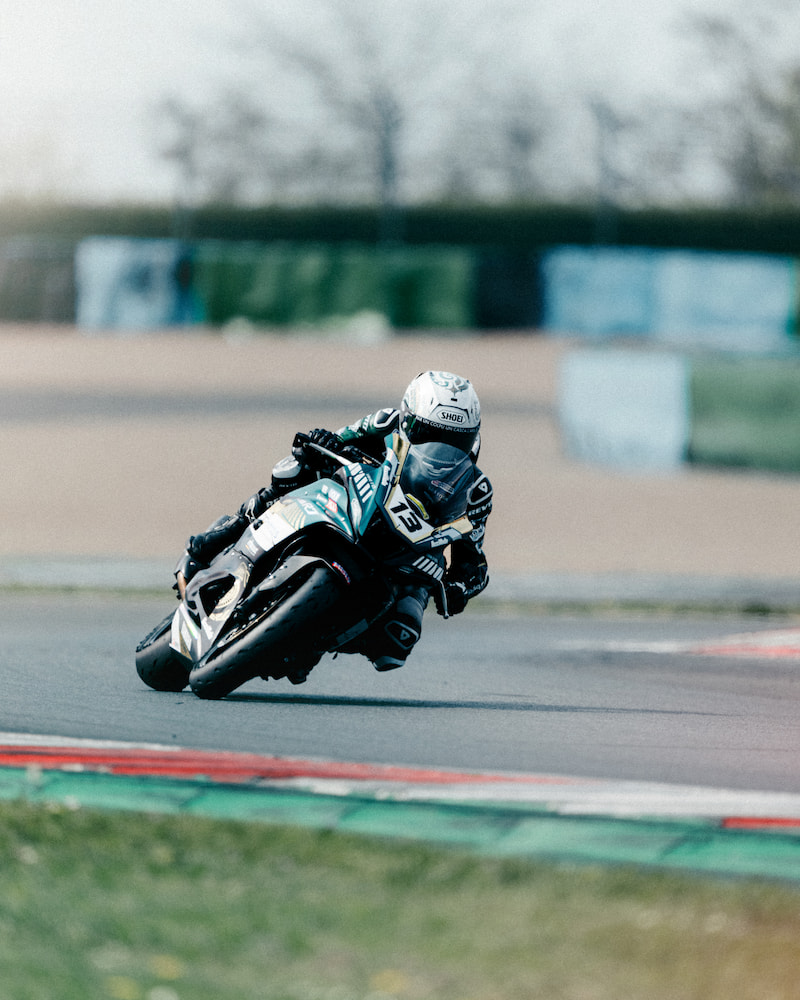
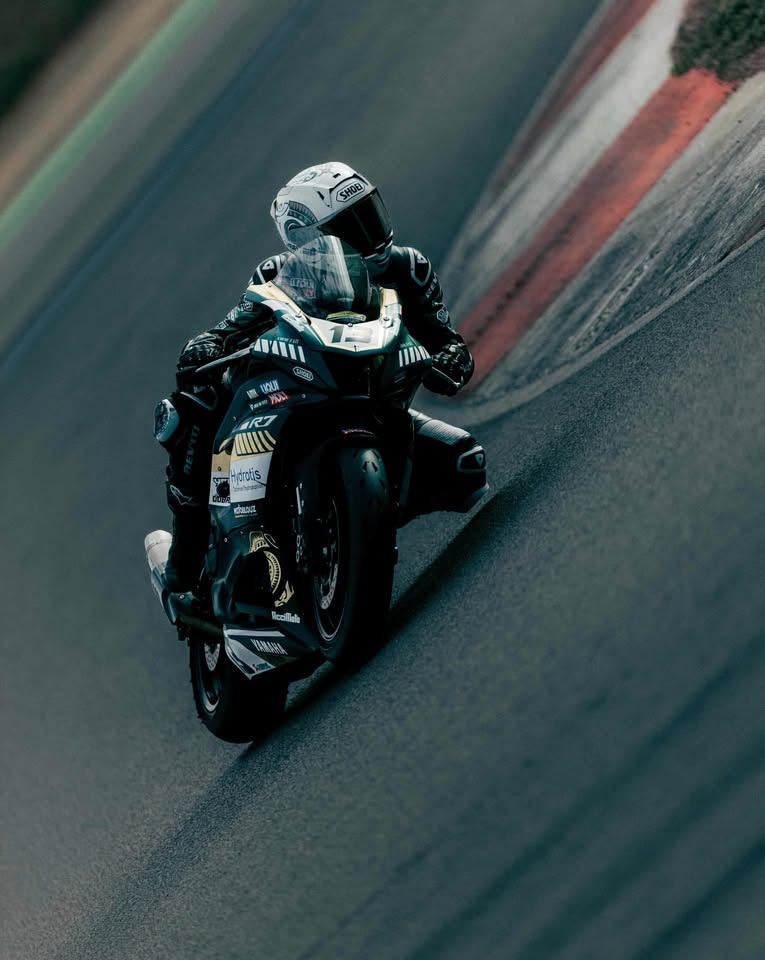
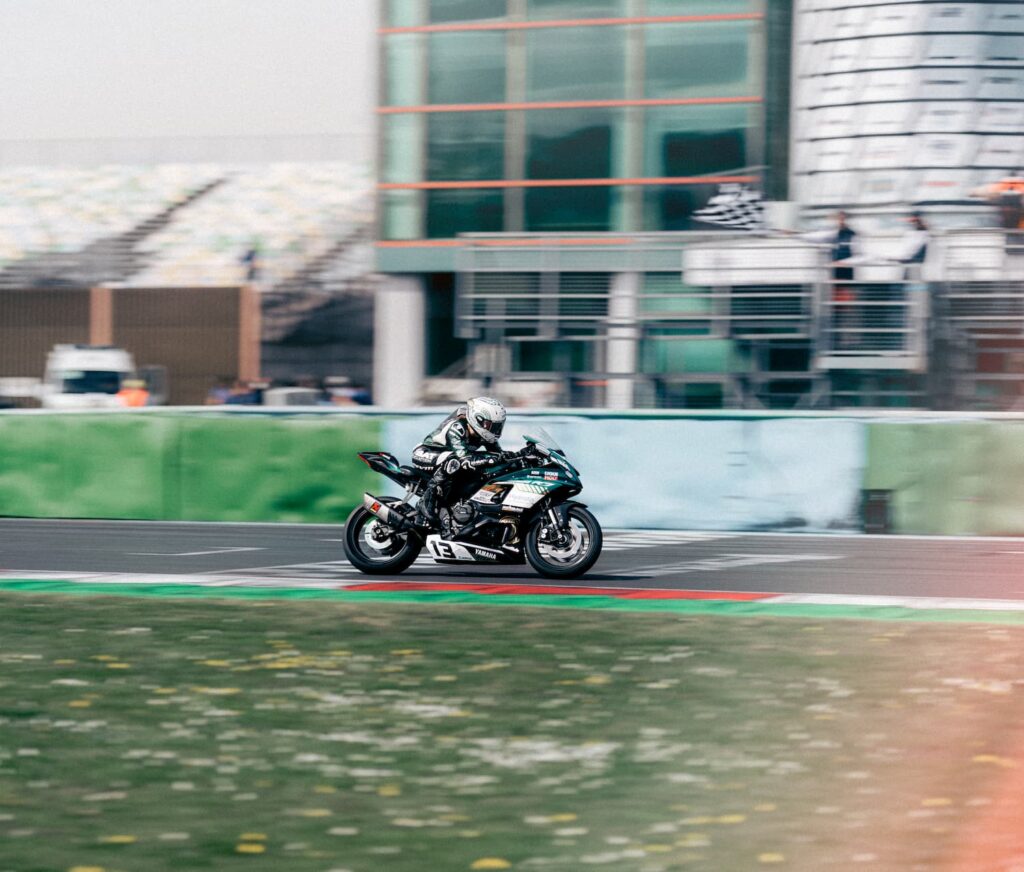
Race 1 at Magny-Cours – Photography by Thomas MaquevicÂ
Pressure, Visibility, and Self-Trust
Emilia is just as honest about pressure. She said she does not always manage it perfectly, and sometimes it affects the way she rides. But over time she has accepted that this is normal, and she knows her own value well enough that it does not damage her confidence.
That same honesty carries into the way she talks about sharing her life publicly. She said the line between sharing the journey and performing your life is very thin. What people see from the outside is not the whole thing. There is work in it, sacrifice in it, and a lot that never makes it into the picture.
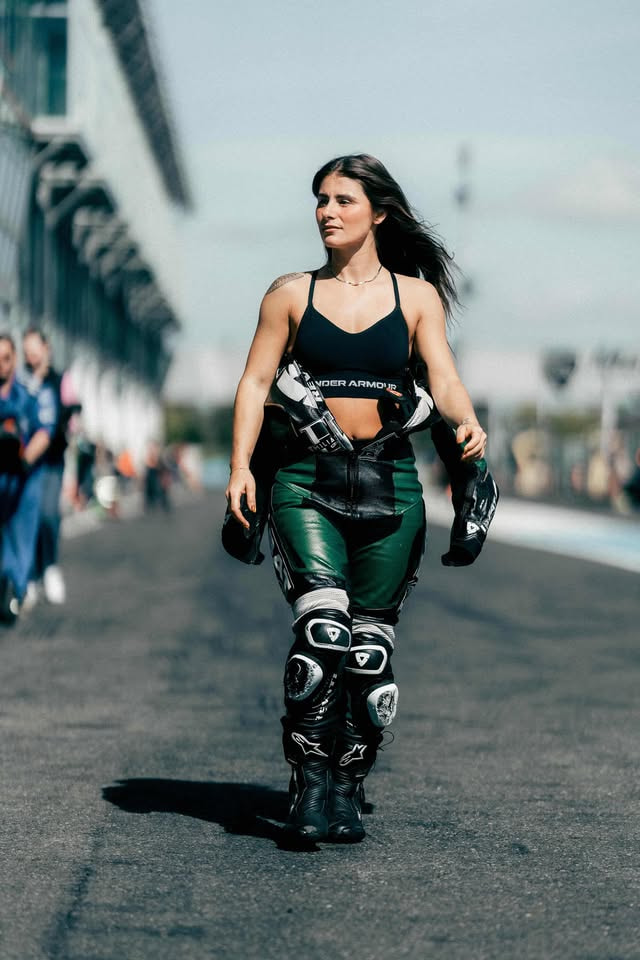
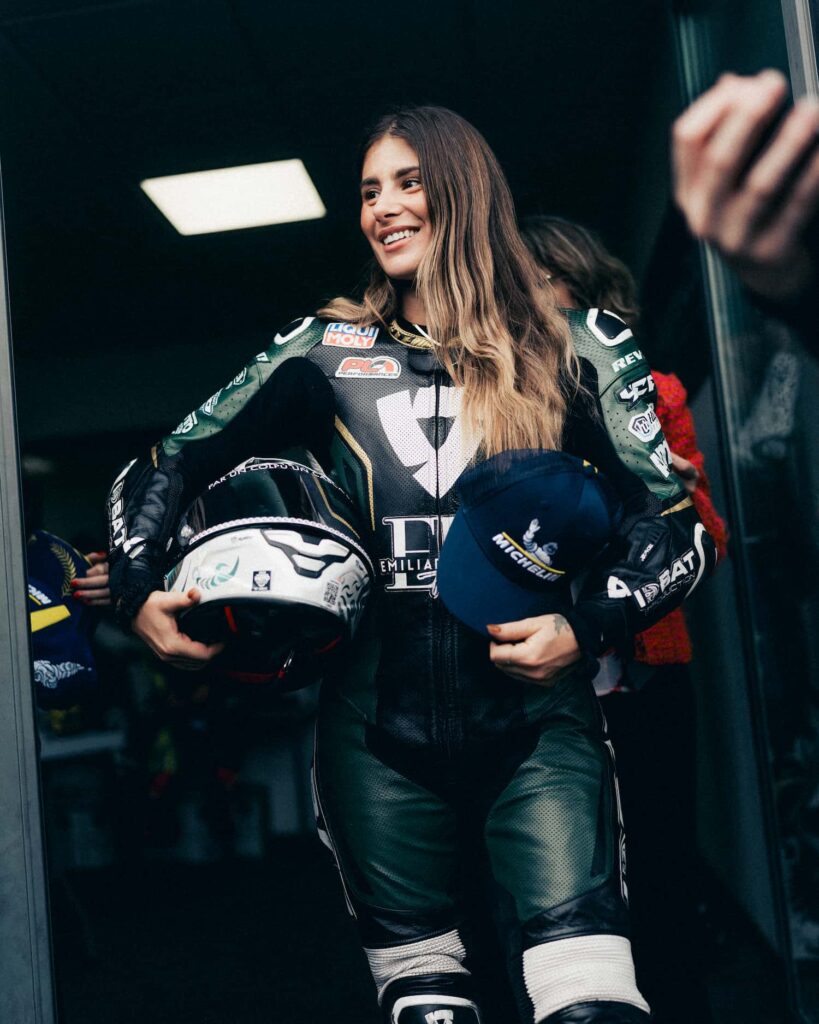
On the starting grid for the French Endurance Championship.Â
The Part She Keeps
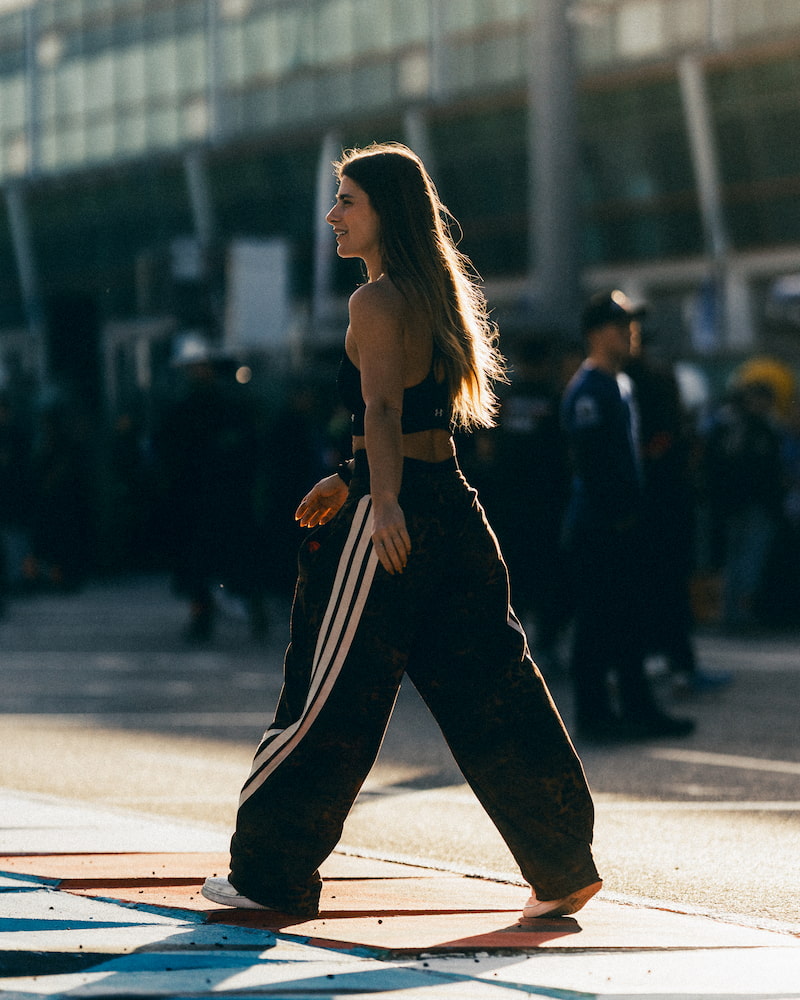
One of the clearest details in the conversation is also one of the simplest. Emilia’s race-day preparation is practical. She wants sweatpants she feels comfortable in. She wants earplugs. She wants the basics handled. But she also still puts glitter in her hair on race days because it helps her keep her childlike spirit.
The same clarity shows up in how she talks about safety, money, and performance. She spends on what matters for safety, but refuses to spend for performance alone unless there is another real reason. She has even raced on old tires when they were still safe, even if they were not going to offer exceptional performance.Â
Racing has become more serious for Emilia, but she does not sound interested in becoming harder or more performative just to prove she belongs. She is trying to improve, protect what matters, and keep hold of the part of herself that makes the whole thing worth doing.
Editor note
Special thanks to Thomas Maquevic for being so awesome! This is Thomas’s social link. The artist behind the lens. Thomas Maquevic, Thanks again. -Sean, editor
Paddock note
Motorcycle riding involves inherent risk, even in controlled environments. This article is provided for general informational purposes only and should not be relied on as instruction, coaching, or a substitute for professional training. Ride within your limits, follow the rules of your track-day organization, and respect control riders, coaches, and everyone sharing the track.
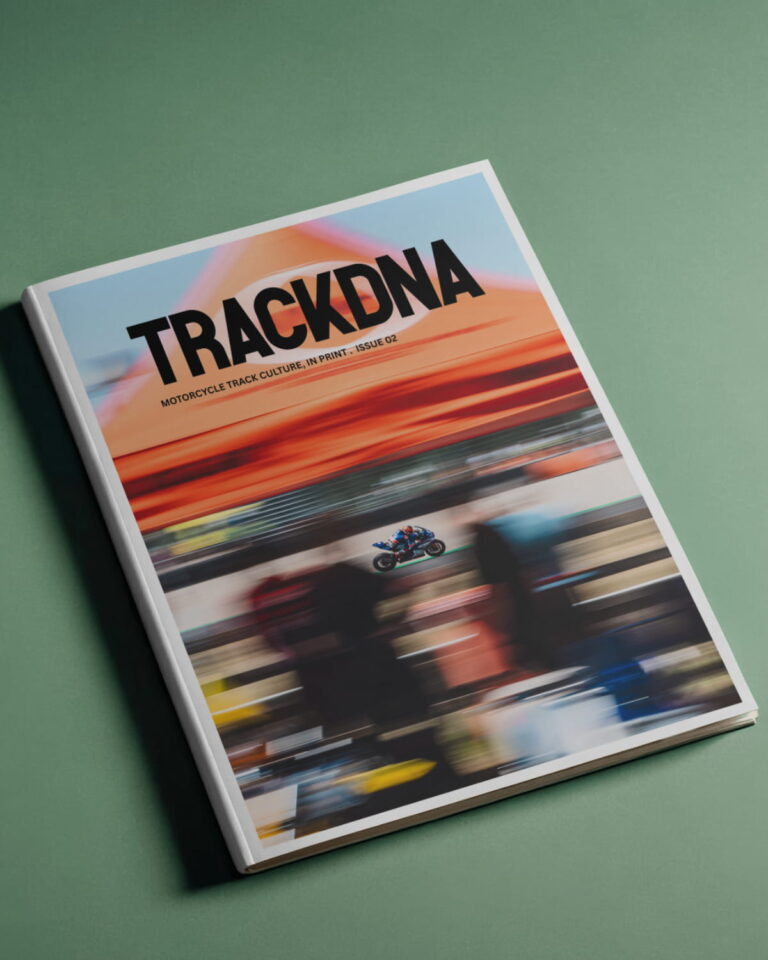
Issue 02 is
Out Now
TrackDNA Issue 02 is a 126-page premium, community-driven magazine for motorcycle track riders & enthusiasts.
Issue 02 is
Out Now
TrackDNA Issue 02 is a 126-page premium, community-driven magazine for motorcycle track riders & enthusiasts.
Author
-
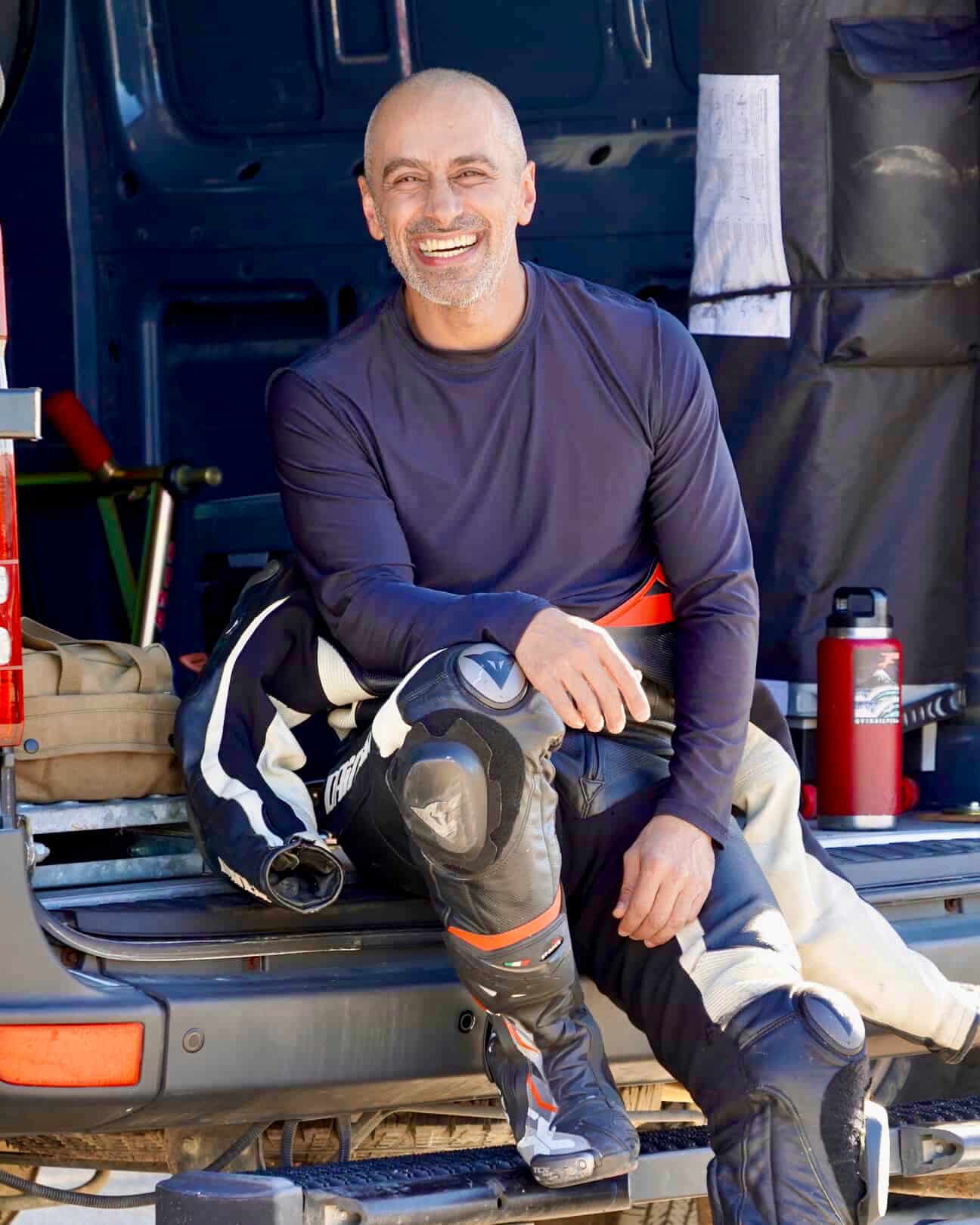
Sean is the founder and Editor-in-Chief of TrackDNA, an independent magazine for motorcycle track culture. A CMRA racer and former motorcycle mechanic, he built TrackDNA to preserve the parts of the paddock that usually disappear once the weekend is over - the work, pressure, craft, people, and small decisions behind the visible lap.
His writing is shaped by time on both sides of the bike: riding, wrenching, listening, and paying attention to what the sport asks from people before anyone sees the result.