This session plan pulls from Dave Moss’s test-day protocol. Think of it as a baseline you can bend to your pace, your track org’s rules, and whatever the weather and surface are doing that day. The percentages (85/90/95%) are effort and focus levels, not a stopwatch target, and that distinction matters because chasing a number too early is how a “test day” turns into a bunch of noisy laps with no usable notes.
Use this as a baseline, not a script
Day one doesn’t have to follow a perfect session-by-session recipe. This framework comes from decades of testing – both solo and with riders – but it only works if you build it around what you actually have in front of you: available track time, tires, the bike’s setup state, the temperature swing, and how familiar you are with the machine. The point is to create repeatable inputs and clean feedback, not to prove anything to the timer on session two.
Session 1 - Settle in and re-learn the track
When you throw your leg over for the first time, take a breath and center your mind on the job. Roll out and ride at a comfortable “about 85%” pace, using your track-walk notes from the night before as your map, not your marching orders. That pace buys you space – space to notice what changed since last season, space to bring your timing back online, and space to feel what the surface is doing to the chassis on entry, mid-corner, and exit.
Your first priority is getting your eyes and brain reacclimated to speed so awareness comes back, then keeping your input timing calm and stress-free so you’re not rushing the bike. At that same pace, start reading the track like a mechanic reads a used part: where winter moved bumps, where cracks grew, where repairs grabbed the tire, and how those details feed into the fork and shock through the whole corner. As you settle, start reconfirming your timing markers in order – brake on, brake off, turn-in, apex, throttle initiation, and roll-on – because when those are consistent, your exit line and exit apex start to define themselves without you forcing it.
If you need another session at the same pace to gather more information, take it and don’t apologize for it. Building the foundation over two or even three early sessions is often what decides whether the rest of the day is productive or just busy, and nobody gets a trophy for “rushed the warm-up and learned nothing.”
Debrief 1 - Write it down while it’s fresh
Once you’re fully comfortable circulating again, stop and debrief yourself while the sensations are still sharp. Pay attention to how you moved on the bike – what felt easy, what felt awkward, what made you work – and note what changed on the track since last season. Even if you’re in a team environment, sit down and write it out, because ergonomic notes and track notes are the currency of a test day. Skip them and you’ll feel it later as inconsistency, fading attention, and that creeping sense that your time is turning into diminishing returns.
Session 2 - Ergonomics first, then raise pace
On the next session, use the first three laps to evaluate any ergonomic changes and how they feel at speed. If the changes are positive, continue into your riding goals for the session; if they’re not, adjust and retest without rushing the pace upward just to “get serious.” That said, at some point you do need to raise the pace enough to generate usable data, because you’re leveraging how your eyes and brain behave at speed and you’re evaluating how the motorcycle carries load when it’s closer to reality, not parking-lot smooth.
Before you roll out, set two or three clear goals that include both you as the rider and at least one aspect of the motorcycle. Be honest about whether you’re shortening your time on track to focus on precision, or whether you need more seat time because the bike is new to you and you’re still building a mental model of its habits. This is the part where a little paddock discipline pays off – you don’t need ten goals, you need two that you can actually execute and remember.
Temperature matters - especially early laps
Suspension oil temperature affects flow rate, so a cold morning and a hot afternoon can make the same settings feel like two different motorcycles. Rear shocks often sit behind the engine and come up to temperature quickly, while forks live out in the air and typically take longer. On cold days, give yourself three to four laps of extra margin on corner entry while everything comes in, because chasing last season’s braking point on cold oil is how you get a handful of drama before you’ve earned it.
When you’re close to last season’s pace, expect changes to matter more
When you’re within roughly two seconds of your prior personal best at that facility (with comparable conditions), it’s normal for testing to start touching bigger variables like geometry, springs, damping, gearing, and tire size or compound. That becomes even more true on a new-to-you motorcycle, or when the same bike has seen major changes like engine work, suspension work, swingarm pivot changes, or steering head offset adjustments. It may not all happen on day one, but if you’re building toward a real setup, that’s the direction the process tends to go.
Session at about 90% - Threshold braking stability
At around 90%, the rider needs to be focused and present, but relaxed enough to multitask. You’re looking for track-surface awareness, consistent lines, and precise timing that repeats lap after lap. Make the primary job threshold braking stability in straight up-and-down braking, paying attention to whether your pressure and duration are consistent and whether your brake-on and brake-off points are repeatable. Then confirm it with something objective: check your fork travel via the o-ring or cable tie, and get a sense of where you’re living in the usable range for preload and compression rather than chasing extremes.
From the Paddock to Your Inbox
Subscribe to our newsletter for new stories, issue updates, and paddock news.
Write your thoughts down while they’re clear, then be blunt with yourself about what belongs to setup and what belongs to your hands. If the fork dived, was it truly setup, or did your initial application come in clumsy and spiky. If your brake points moved, was it the chassis, or was your pressure varying corner to corner. If the fork bottomed, do the o-ring or tie confirm it, and if the rear got light early, did it stop you from braking harder at the same lever effort. The goal here is to decide whether you’re operating inside a sensible middle range of settings or if you’re chasing something far outside it, and to identify any fork changes you’ll make and why, along with any timing changes you’ll make and why.
When braking instability shows up, it usually stretches braking zones and lowers usable brake pressure. That costs lap time, reduces confidence, and burns rider energy managing the chassis, and lap by lap that turns into fatigue, sloppy timing, and a steady performance slide.
Session at about 95% - Trail braking and line control
For the next session, focus on corners that require trail braking, meaning any time you’re leaning while still carrying brake pressure, even lightly. Watch whether brake pressure is consistent during trail, whether you release the brake the same way each lap for each corner, and whether light pressure used as a speed correction while leaned makes the bike easy to place at the apex or makes it fight you. Pay attention to the pattern: maybe it hits the apex effortlessly in slower corners, but as the corners get faster you have to force it; maybe you feel understeer where it runs wide, or oversteer where it tightens and rotates more than expected. That’s not just “feel” – it’s a clue about balance, transfer, and how the bike responds to load.
Debrief - Trail braking
Make notes on where the bike steers well and where it doesn’t, where the chassis feels stable and where it doesn’t, and what brake pressure seems to trigger instability or a line change. Then visually confirm travel used on both fork and shock so your notes aren’t floating in mid-air. If the bike struggles to get to apex as speed increases, note fork travel used because you may be too high in preload and/or compression; if you’re getting understeer or oversteer, note how rebound on the fork and shock may be contributing to the behavior you’re fighting.
Second 95% session - Long radius corners and maintenance throttle
Note what corners – and what phase of the corner – require you to manage line via brakes, body position, or throttle. If the chassis isn’t stable, your notes should point you toward weight transfer and rebound balance, because that’s usually where the truth is hiding. The smaller the bike, the more critical chassis balance tends to be, and if your riding style is more “point and shoot” with minimal time leaned over, that balance may feel less dominant, but it’s still there shaping your day.
Third 95% session - Throttle roll-on timing and exit line
Finish your higher-effort work by focusing on roll-on timing and the motorcycle’s behavior on exit. Pay attention to whether a quick roll-on causes the bike to stand up, whether aggressive throttle makes it choose a wider exit line, and whether you have to delay roll-on to avoid running wide. Notice if you’re changing body position to keep it on line, and whether you can roll on and hold the intended exit consistently without extra management. Exit behavior is where a setup can feel “fine” until you ask for real drive, and then it tells you what it actually thinks about your weight balance.
Debrief - Exit behavior
Make notes on what corners require extra management on roll-on at your current pace. If the bike runs wide easily, the notes often point toward camber, geometry and weight balance, or rear shock support through spring rate, preload, and compression, with shock rebound that’s too slow sometimes contributing as well. At this point, evaluate transfer using travel so you can see whether one end is near the limit while the other has plenty left; if transfer is uneven, it’s usually worth addressing unless the rider needs that geometry to feel comfortable and repeatable.
End-of-day - A short race simulation
Close the day with a defined number of laps as a short race simulation. At a regional club level, that’s often roughly six to twelve laps; at a national level, roughly sixteen to twenty-four. Choose a pace that makes sense for you and the conditions, because the goal isn’t hero laps – it’s repeatability and notes you can trust.
As you run it, pay attention to where the motorcycle feels confidence-inspiring and where it requires deliberate effort to comply. Notice whether the suspension feels smoother as laps go by or harsher as heat builds, and be honest about when fatigue shows up and what it does to your timing. If there’s a handling problem in a given part of the track, the test is whether it repeats the same way under the same conditions, because repeatability is what turns a feeling into a fix.
Debrief - Priorities
At the end of the day, notes and paddock conversation usually tighten around a short list of priorities. A common order is threshold braking stability first, then trail braking inconsistency tied to line, then excessive physical management at turn-in, then chassis instability mid-corner, then exit line inconsistency tied to throttle application, and finally any gearing mismatch where rpm doesn’t align with what your dyno chart says the motor wants. One blunt but useful reminder belongs here too: if an issue isn’t repeatable, the rider has to consider their own inputs as part of the problem, own it, and then test again with cleaner execution.
Back-to-back days help more than people expect
If you can schedule testing on back-to-back days, do it, and then try to repeat that format at the next test. The progress can be surprising because day two builds directly on day one instead of spending half the morning warming back up to pace and re-learning what you already paid for yesterday.
Issue 01 is Out Now
TrackDNA Issue 01 is a 124-page premium, community-driven magazine for motorcycle track riders & enthusiasts.
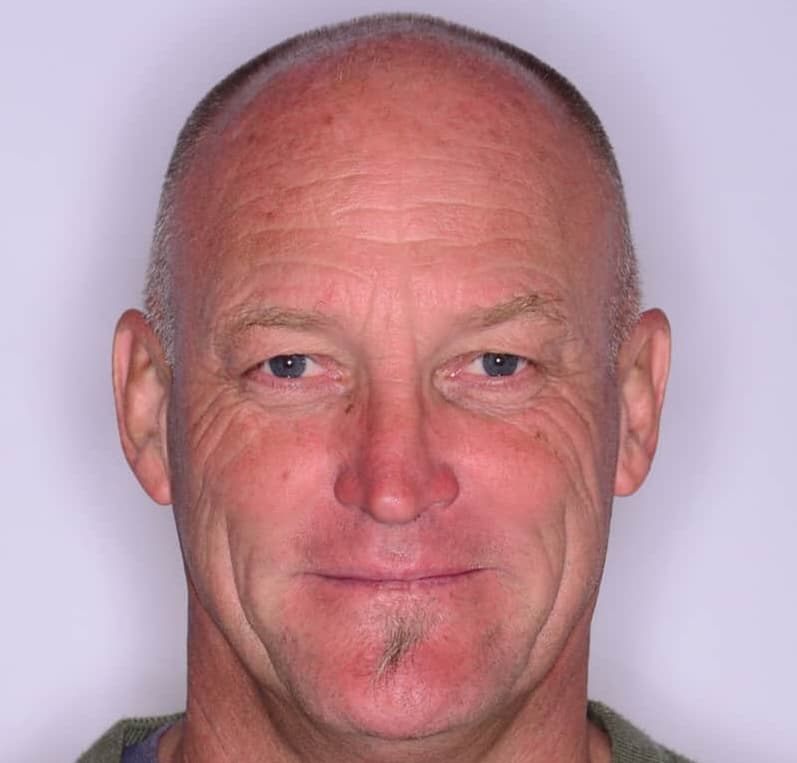
Dave Moss is AFM #223, a Pacific Northwest racer-turned-tuner who’s been chasing wins and data since 1995, across OMRRA and WMRRA. After hearing every paddock debate end at ergonomics, tires, and suspension, he walked into a suspension shop and offered to work for free just to learn. That mindset led to AMA starts in 2001-2002 and a stack of AFM titles, including multiple 450 Superbike championships. Now he gifts TrackDNA readers practical tech, tuning, and build lessons.