Accidentally Successful, On Purpose

a motorcycle racer leaned over

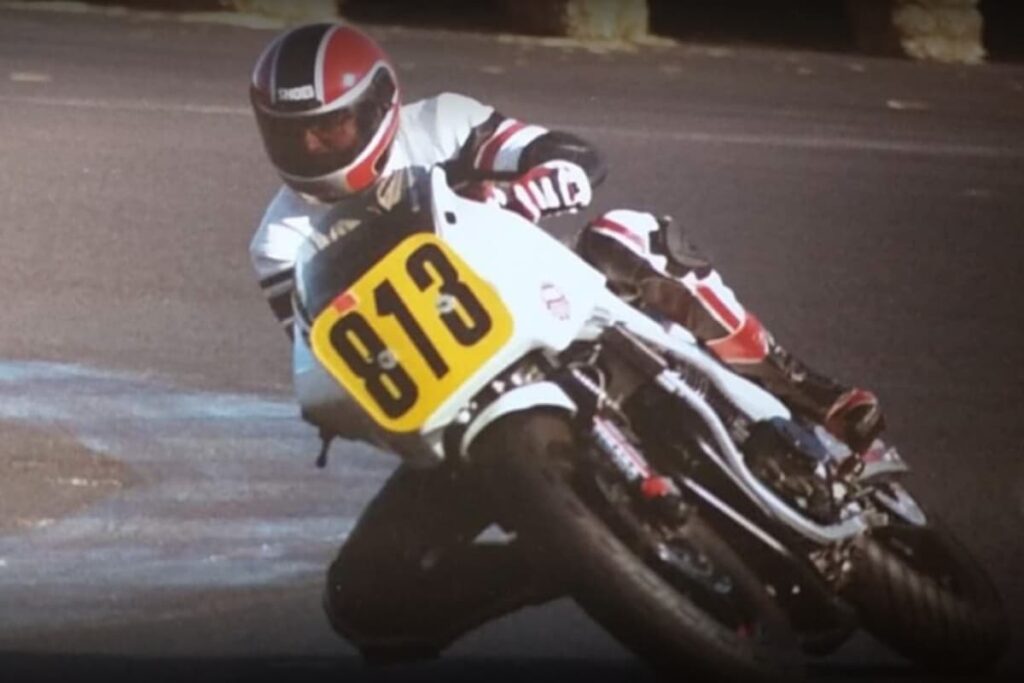
Steve Mandeville’s first race bike: a wrecked 1986 Yamaha FZ600 he turned into a track bike. This is ’89 or ’90, racing his “behind the curve” FZ against the much better ’87 CBR600 Hurricane. Photo is at the exit of the original Turn 11 at Sears Point Raceway.

Steve Mandeville posted a story in Track Day Addicts titled “Accidentally Successful.” By the time I read it – and at the time I’m writing this — it was sitting at 300 likes and 70 comments, not because it was flashy, but because it sounded like real life.

Seventeen years of racing with one low-side. Now, at nearly 68, he’s back doing track days again — starting in Novice on purpose. It wasn’t luck or some hidden talent. It was reps, restraint, and a long timeline.

The long way in

Before racing was even on the table, Steve was already orbiting the sport. Street riding turned into sport bikes. Sport bikes turned into annual trips to Laguna Seca for the GP races. Then AFM at Sears Point. Then volunteering as a turn worker.

He worked Turn 11, waving flags, and he’ll tell you straight up he was a fantastic flag waver. It’s a small brag, but it fits. He’s always been part of the whole ecosystem, not just chasing a lap time.

After a couple of years, he decided to try racing.

The bike situation was classic new-racer energy: he found a crashed ’86 FZ600 and started rebuilding it, but he took New Racer School on a borrowed machine — an old ex-AMA Kawasaki GPZ750 Superbike that was basically a rolling dare. He was wobbling around the track, slow, with no illusions about where he stood.

He passed anyway. Not because he was fast, but because the instructors told him his lines were good.

Self-preservation isn’t a dirty word

Steve’s first race was at 31, with a wife, kids, and a job. His headspace wasn’t “beat everyone.” It was “don’t crash” and “don’t be the problem in somebody else’s race.”

He remembers the 250 class coming through early on — bikes wobbling, frames bouncing, riders riding right on the edge — and thinking, plain as day: I’m never going to ride like that.

And he didn’t.

When I asked what kept him safe on track, his answer was simple and honest: self-preservation. He even said it’s the same thing that probably kept him from winning more races. He never threw it all on the line to win. He’s always been conservative with dangerous activities.

That conservatism worked out in the long run.

He raced for almost 17 years and crashed once — a low-side coming out of the carousel at Sears Point. No injuries. No big story. Just one of those moments you file away and don’t romanticize.

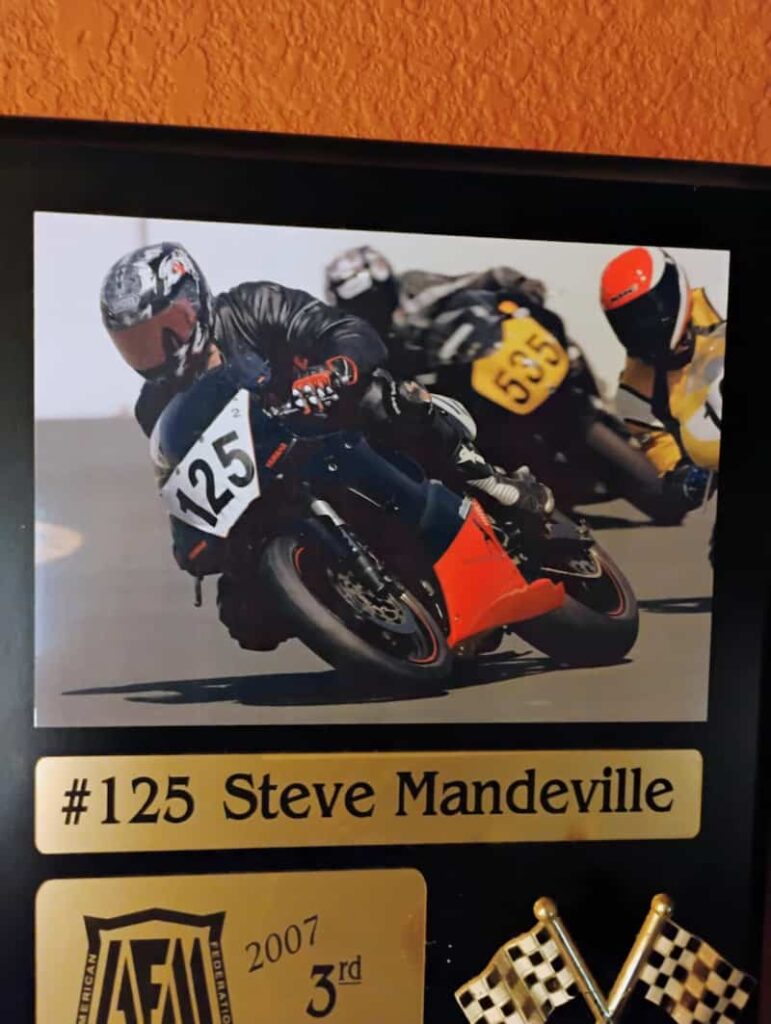
Over time, he switched into the 250 Superbike class on a TZR250 and started finding podiums. In 2007, he finished third overall in 250 Superbike and didn’t even go to the awards ceremony because he had no idea where he stood.

You can learn a lot about his approach from that single detail. Head down. Keep building. Let the results show up when they show up.

a framed photo with 3rd place certificate

AFM 250 Superbike, 2007 — Steve’s 3rd overall trophy and his last year racing a 1991 Yamaha TZR250 3XV. By then it had a full TZ250 engine in it, bumped from about 40 hp stock to around 85.

The secret wasn’t bravery. It was vision.

Steve told me he’s a hugely visual person. He spent years watching professional racers — not just the highlight reels, but the way they actually used the track. Where they put the bike. How the line solved the next corner before it even arrived.

He said he immediately understood why they rode the lines they did. When he finally got on track himself, it all made sense.

There’s a quiet truth in there that a lot of riders overlook. Sometimes what we call “talent” is really just long-term attention — the kind that sticks and shows up later when you finally get your own laps.

Get the Inside Line

Real stories, track insights, and paddock moments — straight from riders who live it. No noise, no fluff, just the DNA of the track delivered to your inbox.

The comeback isn’t about age. It’s about the reset.

These days, Steve is mainly riding Thunderhill Raceway in Northern California — closest track, easiest to make happen. But he’s seriously thinking about going back to Sonoma Raceway (Sears Point) this year, the track he raced on and loved.

Coming back at his age, he says the biggest differences are his physical limitations — fair — but also a much more relaxed attitude. He’s been here before. He knows how things work. This time he’s excited, not nervous.

He also shared the part that doesn’t always make it into the social version of these stories. He stopped racing because he couldn’t afford it anymore. Divorce, losing the house, alimony and child support — the funds were gone.

Three years ago he decided to give it one last hurrah on his ZX-14. He was immediately hooked again. The next season he started tracking his SV650.

Same rider. Different life. Still out there.

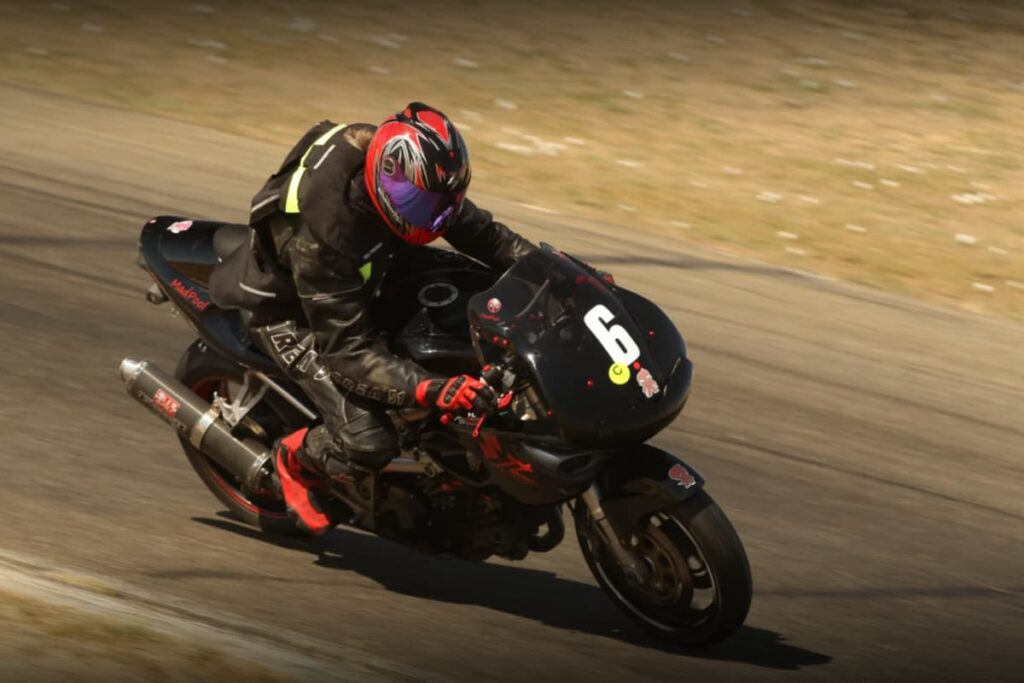
a motorcycle racer on a track

Steve’s 1998 Suzuki TLS

The comments were the paddock answering back

Here’s where the Track Day Addicts post turned into something bigger than one person’s story.

Steve tossed a grounded, non-hero version of racing and track days into the group — and the comment section basically became a comeback roll call. Not “I wish I could.” More like, “I did,” “I’m doing it,” or “I’m closer than I’ve ever been.”

One rider said he started track days in his mid-50s, and even after a stack of days and several 9-hour endurance races, racing still feels like a temptation. He also admitted the real friction points: feeling too slow, and the cost. That’s the honest version. Not everybody’s barrier is fear. Sometimes it’s the math.

Another rider talked about racing in the ’80s and ’90s, then being away from the track since around 2000 — and coming back this year on a well-sorted RC390. At 68, it felt great. He’d missed it for years and is already thinking about next season.

Someone else said they came back after a 31-year break and think they might actually be quicker now — still slow, still loving it. That one hit me, because it’s something you see all the time when people return: less ego, smoother inputs, cleaner choices.

And then there was the bucket-list voice. A rider in his 60s, off bikes for 20 years, who’s wanted to ride a track since walking Watkins Glen during NASCAR weekends. He picked up a ZX-4RR, his wife thinks he’s crazy, and he’s got COTA MotoGP on the calendar. After that, he’s going to set up a track day — even if he only makes it around once.

That’s the lineage right there. Not just the fast ones. The riders who kept the spark alive in the background for decades and finally gave it a place to live.

What Steve would tell anyone on the fence

His advice isn’t complicated, and it doesn’t try to sell you a dream.

Contact your local track-day provider and read the requirements. Find someone who’s been on track for a while, become their friend, and learn as much as you can.

Then do it. Not because you’re fearless, but because you want to be out there.

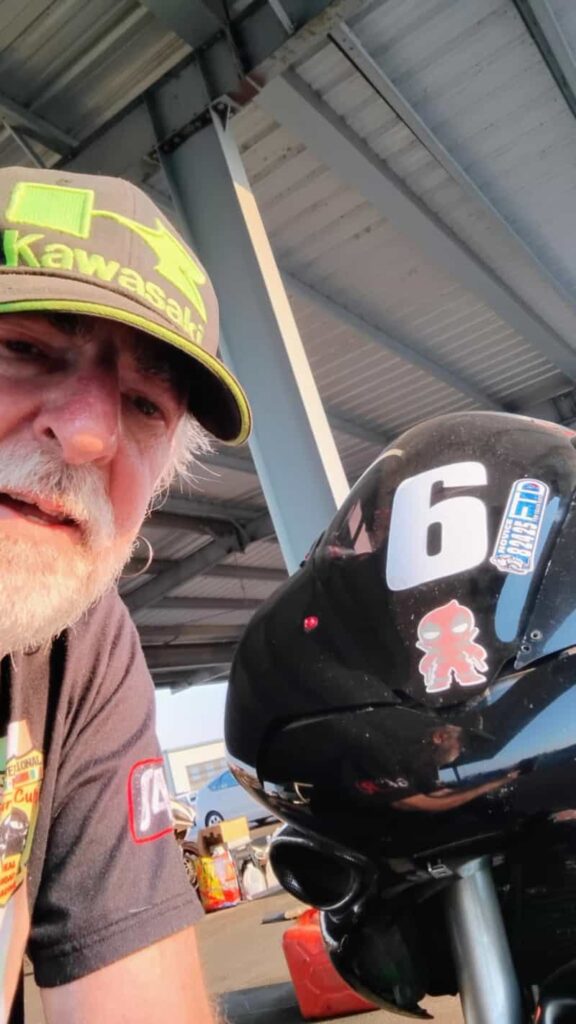
A man sitting next to his bike looking at the camera

Steve and his current track bike. 1998 Suzuki TL1000S at Thunder Hill Raceway – June 2025 

TrackDNA safety note

Riding on track always carries risk, even when you’re doing your best to be smart. This story is one rider’s experience, not a blueprint. Work with qualified coaches, ride within your limits, and follow your track organization’s rules and control riders. No article can replace your own judgment in the moment.

TrackDNA Takeaways

  • “Self-preservation” isn’t a limitation. It’s a strategy that can keep you riding for decades.
  • Good lines age well. If you can see the corner, you can keep building the rest.
  • Coming back often works because your head is calmer, not because your body is younger.
  • Cost is real. Don’t pretend it isn’t — build a plan instead of a fantasy.
  • If the goal is to start, you don’t need perfect. You need a date.

Get the Inside Line

Real stories, track insights, and paddock moments — straight from riders who live it. No noise, no fluff, just the DNA of the track delivered to your inbox.

Author

Scroll to Top