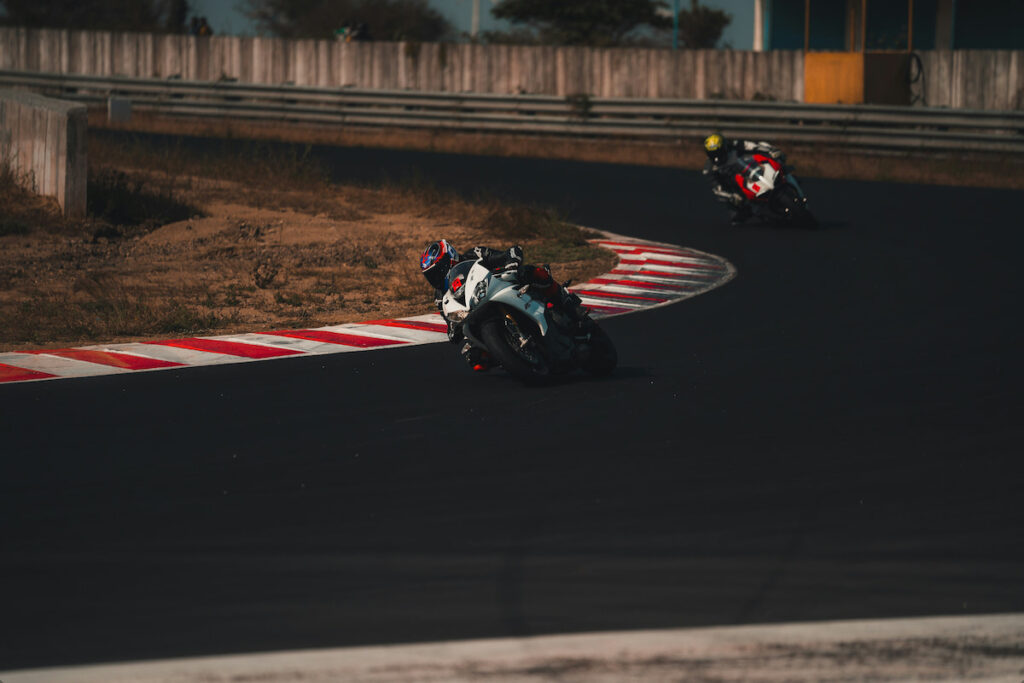
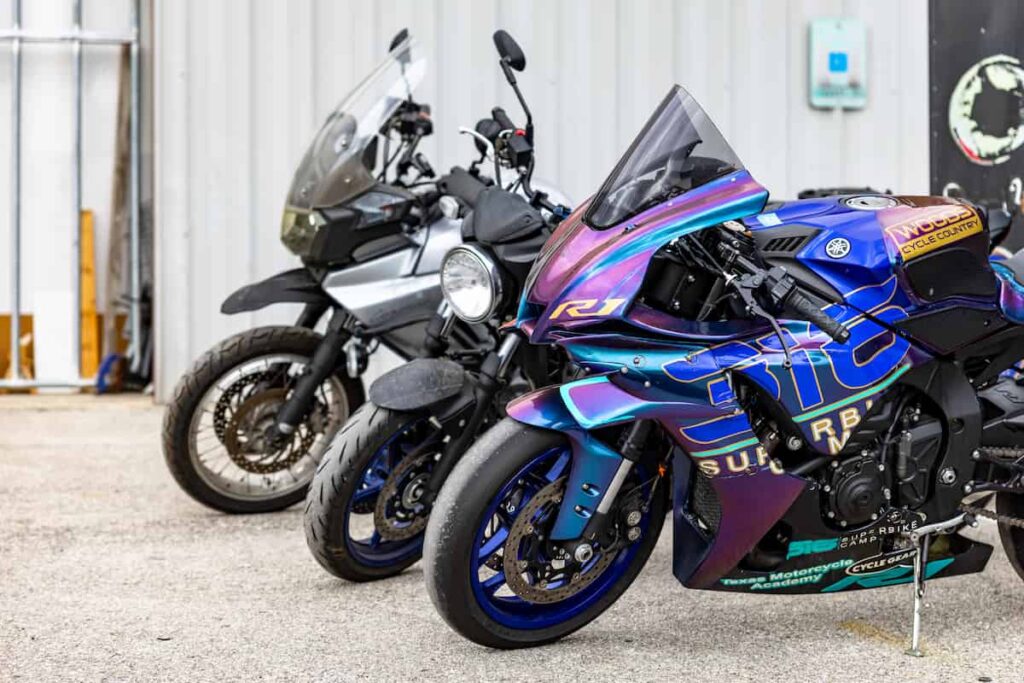
Photo by Karthegan Padmanaban
Walking into your first track day can feel like stepping into a whole different world. You look down the row and everyone seems dialed – warmers, stands, tire gauges that look like they belong in a MotoGP pit. Meanwhile you’re trying to strap your bike into a U-Haul trailer without looking like you’re tying down a wild horse.
Here’s the truth: you don’t need half the paddock’s toolbox to have a solid first day. You need the basics that keep you safe, keep the bike in one piece, and keep you from spending money just because everyone around you did.
If you want the emotional side of that first morning, read “Beyond Lap Times: Your First Track Morning and the Soul of the Paddock”. This one is the practical list – what matters now, and what can wait.
TrackDNA Safety Note
Riding motorcycles on track is inherently risky and can result in serious injury or death. The ideas in this article are shared for general information only — they’re not formal coaching, professional instruction, or a guarantee of safety or performance.
Always ride within your limits, use proper safety gear, and practice only in a controlled, closed-course environment that follows all rules and regulations. Before trying any new technique, talk with a qualified coach or instructor and use your own judgment about what’s right for your skill level, your bike, and your body.
The best place to explore and apply these ideas is with a qualified coach or at a dedicated motorcycle or racing school. Treat what you read here as background context and conversation fuel for your own training — not as a step-by-step guide or a substitute for in-person instruction.
By choosing to ride, you accept the risks that come with it.
The only gear you absolutely need
Most track-day organizations require a short list of non-negotiables. The specifics vary by org, but the core is usually the same.
Helmet (DOT + Snell or ECE)
If you already ride on the street, your helmet is probably good to go. Just make sure it meets DOT + Snell or ECE and isn’t older than the event rules allow.
Personal note:
I used my regular Shoei RF-1400 at the beginning of my track journey. It did the job and did it well — but it was heavier than I realized. After a few sessions, I felt it in my shoulders and neck.
Later I switched to a lighter helmet, and the difference was night and day. I’ll cover that in a dedicated helmet article.
One-Piece or Two-Piece Leathers
Most organizations require either:
- A one-piece leather suit, or
- A two-piece leather suit that zips together fully or at least 50%
Some groups allow zip-together textile/mesh suits only in beginner/intro groups, if they include proper armor. Intermediate and advanced groups typically require leather.
If You’re Riding With 316 Superbike Camp
They offer free leather rentals for first-time riders, which is invaluable.
You get to test fit, comfort, and mobility — without buying prematurely.
Personal lesson:
I bought my first suit one size too small because I was excited to finally own leathers.
Later, I found a used Dainese Misano on eBay and saved about $1,000.
We’ll also share a separate article on how to clean and take care of your leathers.
Gloves & Boots
Gauntlet gloves (full wrist coverage) and proper, armored boots. Your street gear might qualify, but check the organizer’s rules and don’t guess.
That’s it for day one. If you have those pieces handled, you’re already ahead.
The bike: stock is fine
This is the part beginners overthink the most. You do not need a “track build” to go learn – you need a bike that’s safe, predictable, and not leaking anything on the ground. If you’re worried about being “too slow” or “holding people up,” read “What I Wish I Knew Before My Second Track Day.” It’ll reset your expectations in a healthy way.
Before you roll into tech, make sure the basics are solid: tires that aren’t toasted, cracked, squared off, or ancient; brake pads with at least 50% life left; fluids topped off with no oil or coolant leaks; a chain that’s cleaned, lubed, and adjusted to spec; a throttle that snaps back freely; and fasteners that are actually tight – nothing loose and nothing you’re telling yourself you’ll “deal with later.”
Lights (Important for Tech)
Tape off your lights before tech inspection – headlight, tail/brake light, and turn signals. Tape the license plate too (yes, it needs to be taped). Blue painter’s tape works perfectly.
Why tape matters
It’s not just a formality. If you go down, lights can shatter and scatter debris. Tape helps keep broken pieces contained, cuts cleanup time, and reduces the chance of a red flag.
Tools You Actually Need (Not the Full Pit Crew Setup)
Beginners usually bring either nothing…or an entire rolling toolbox like they’re rebuilding an engine between sessions, so start simple: pack a tire pressure gauge, a basic tool roll (Allen keys, sockets, screwdrivers, adjustable wrench), painter’s tape, zip ties, a small air pump, and a multi-tool – and if you’ve got room, toss in chain lube, a few rags, and electrical tape. What you don’t need yet are warmers, stands, torque wrenches, giant toolboxes, impact drills, or anything that makes it look like you’re remodeling your kitchen instead of riding.
Fluids & Consumables
New riders tend to overthink fluids. Day one is mostly about “is it fresh enough, full enough, and not leaking?”
Oil
If it’s been changed recently and the level is good, you’re usually fine. If it’s old or you’re not sure, change it.
Brake fluid and lever feel
Fluid level should be right, and the lever should feel firm. If it feels mushy or inconsistent, don’t ignore that.
Coolant
Check it cold. Keep it between MIN and MAX and leak-free. Some organizations have coolant rules, so check your specific tech requirements.
Tires
This is the most important “consumable” for a first track day. You want street/track tires that warm up reasonably, have a smooth profile, and aren’t cracked or hardened.
Make sure you check the DOT tire date code.
Why race tires aren’t for beginners
Race tires need heat and consistent pace to work the way they’re designed. Most beginners can’t generate that heat yet, especially early in the day. Cold race tires can give you less grip, not more. Street/track tires warm up faster and are usually more forgiving.
To read a DOT tire date code, look for the four-digit number at the end of the DOT string (sometimes it’s stamped on its own) – the first two digits are the week of the year, the last two are the year, so 2319 means the 23rd week of 2019. As a general rule, tires under about four years old are often fine depending on storage and condition, five-plus years can start to feel harder and less forgiving, and seven-plus years is usually a no-go for track use even if the tire looks “fine,” because rubber ages from time, heat cycles, and storage, not just mileage. For fuel, show up with a full tank – it’s one less problem to solve at 7:15 a.m.

Optional Low-Cost Upgrades (These Actually Make Sense)
You don’t need upgrades to start. But a few low-cost changes can make the bike feel more consistent without going full build mode.
- Stainless brake lines – firmer feel and better consistency
- Better brake pads – sport/street pads are plenty for most beginners
- Frame sliders / engine covers – cheap insurance
- Folding levers – a minor tip-over doesn’t end your day
- Tank grips – helps you stabilize under braking and stay relaxed on the bars
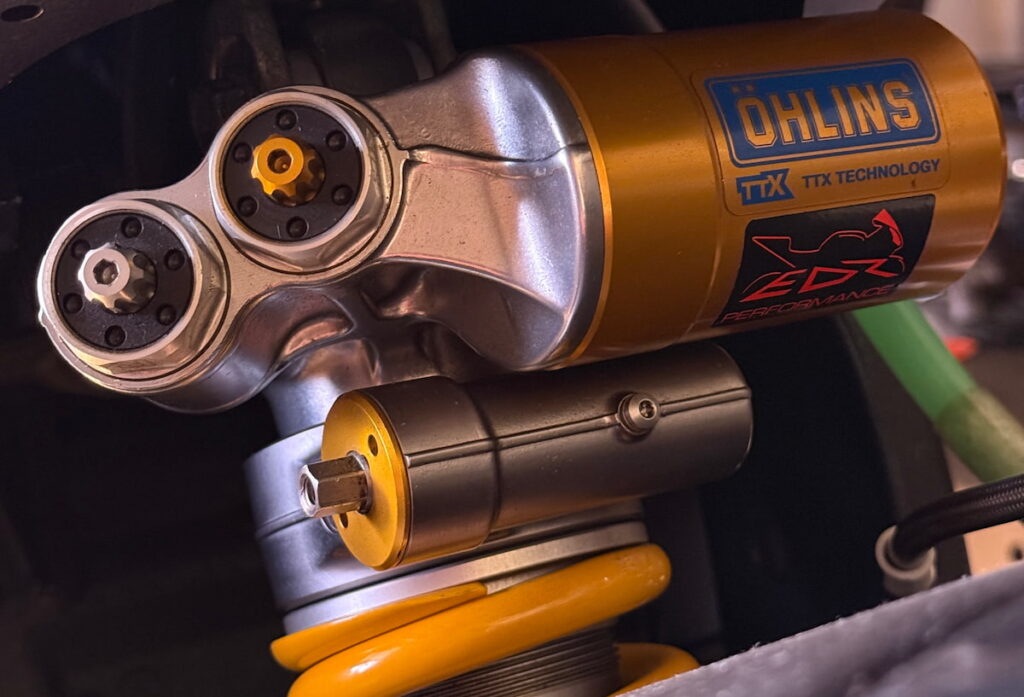
- Basic suspension setup – if your org offers it, it’s usually worth the small fee
TrackDNA Note: the first time my suspension was set for my weight, it was night and day. The bike finally felt like mine instead of a borrowed idea.
Transport Essentials
You don’t need a perfect setup — just something that works.
Options:
- Pickup
- SUV + small trailer
- U-Haul motorcycle trailer
- Hitch rack
- Borrow a friend’s setup
- Ride there (if allowed)
Strapping the bike down without drama
Use quality ratchet straps, keep the bike upright, and don’t crush the front end like you’re trying to bottom the forks out. Add light rear tension, then do a shake test.
One of the best hacks: ask someone who hauls all the time to check your setup. A retired club racer taught me more in five minutes than any video ever did.
If you haul often, the Pit Bull TRS system is hard to beat. Not required, just a solid long-term upgrade.
Loading and unloading
Use a proper, wide ramp and secure it. Flat ground helps. Walk the bike up under light power if that’s your plan, and use a second ramp for your feet if you can.
Unloading is where people get sketchy because they relax too early. Take your time, remove straps cleanly, and walk it down with control. If you need a helper, grab one. Nobody in the paddock is impressed by a “solo hero” moment.
A Few Smart Extras That Cost Almost Nothing, except the cash!
- Cooler with water + snacks
- Chair
- Sunscreen
- Notebook
- Phone charger/power bank
- Earplugs
- Basic first aid
- Microfiber towel
- Cash
These tiny things dramatically improve your day.
What You Should Not Spend Money On Yet
Skip these early on:
- Lap timers
- Warmers
- Slicks
- Race fairings
- Rearsets
- Electronics upgrades
- Full exhaust systems
- Dedicated track bike
Your skills matter more than your shopping cart. The money you don’t spend here can go toward more track days, tires when you actually need them, and coaching when you’re ready.
9. The Bottom Line: Keep It Simple and Show Up
Your first track day doesn’t need to look perfect. It needs to be safe, functional, and focused on learning.
If you want the “why we keep doing this” side of it, read “Why We Keep Coming Back: The Track as a Second Home.”
See you out there.
Author
-
Sean studied in Southeast Asia, did his stretch in corporate America as a Chief Revenue Officer, and then traded boardrooms for pit lanes. He’s a published author, and these days he’s on the grid with CMRA - on his way to MotoAmerica - and behind the scenes as the slightly obsessed human building TrackDNA, a magazine for riders who care as much about the culture and craft as they do about lap times.
Recent Posts