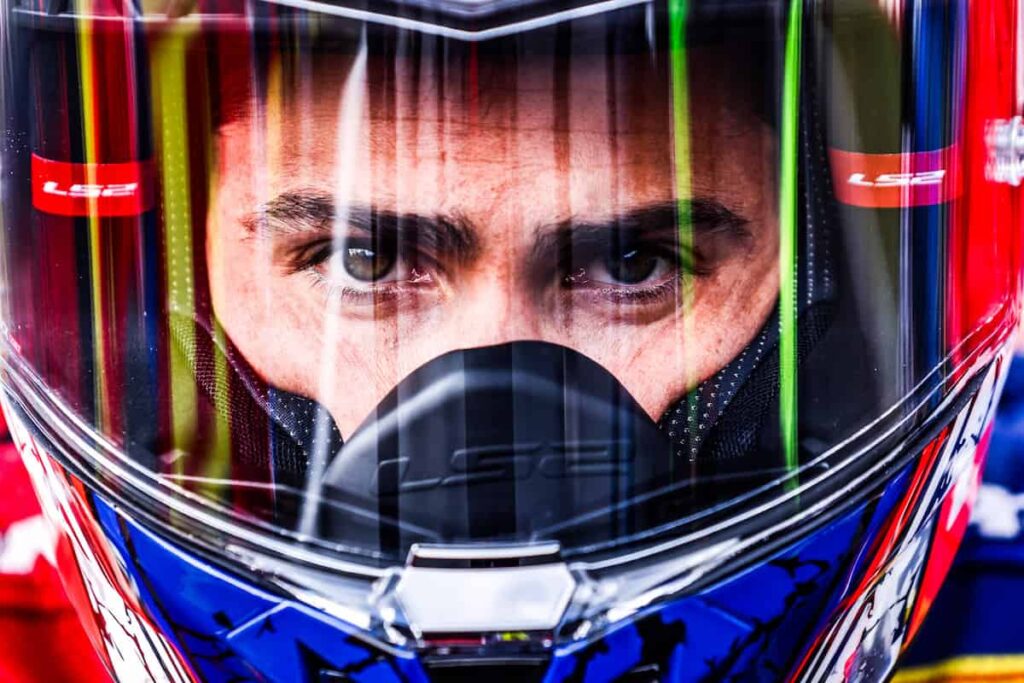
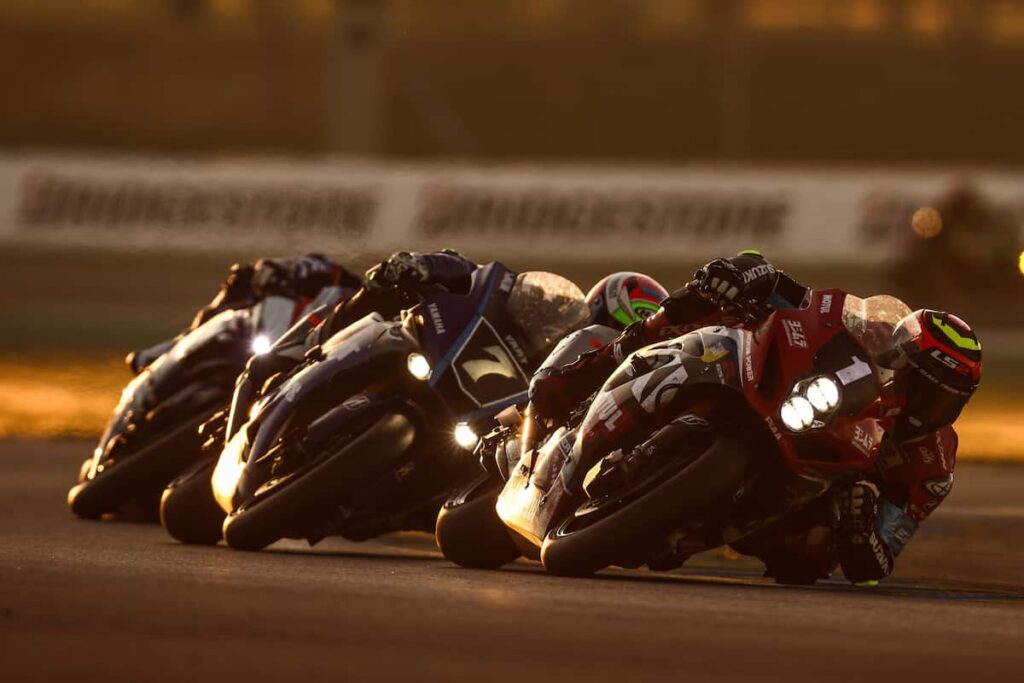
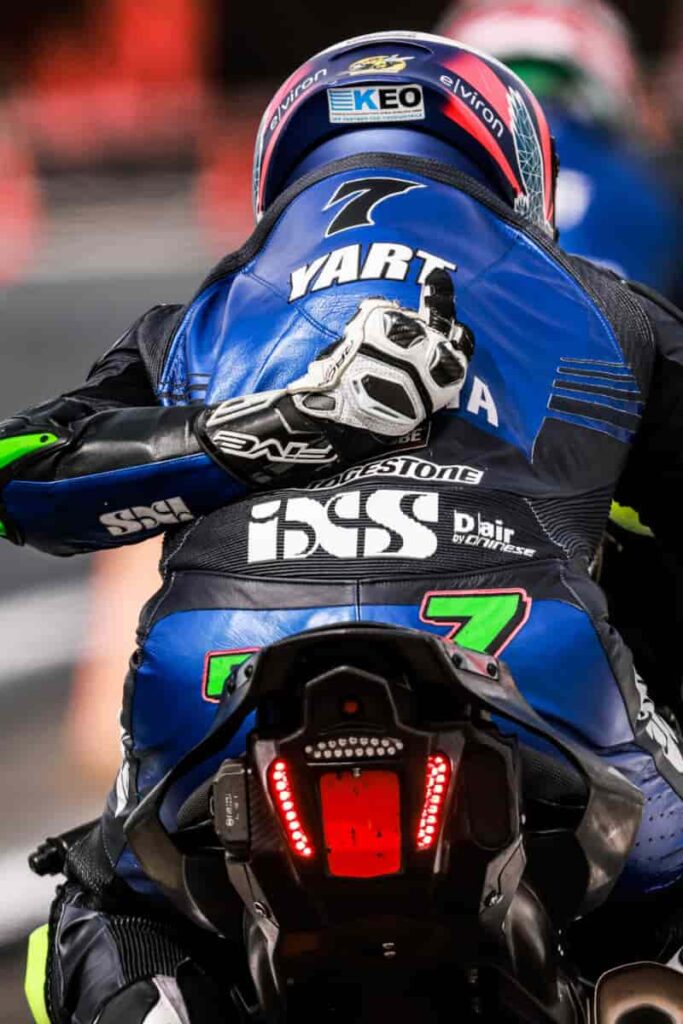
Photos by William Joly – King James as he called it.
There are photographers who show up to a race weekend and start figuring things out on Friday morning. Then there are the ones who grew up at the fence, watching the same corner year after year, quietly learning how speed and light move together.
French motorcycle and motorsport photographer William Joly is firmly in that second group. He has built his career around chasing the way speed, light, and story come together in a single frame.
Today, William’s work stretches across MotoGP, WorldSBK, FSBK, motorcycle endurance, and national championships. If you’ve ever scrolled paddock photos and felt like you were standing inside the moment instead of just looking at it, you already understand the kind of intent he brings to the job.
For this TrackDNA feature, we asked William how he chooses his spots, what separates a “nice” photo from a photo with intent, and the small things riders and teams do – often without knowing it – that can make or break a frame.
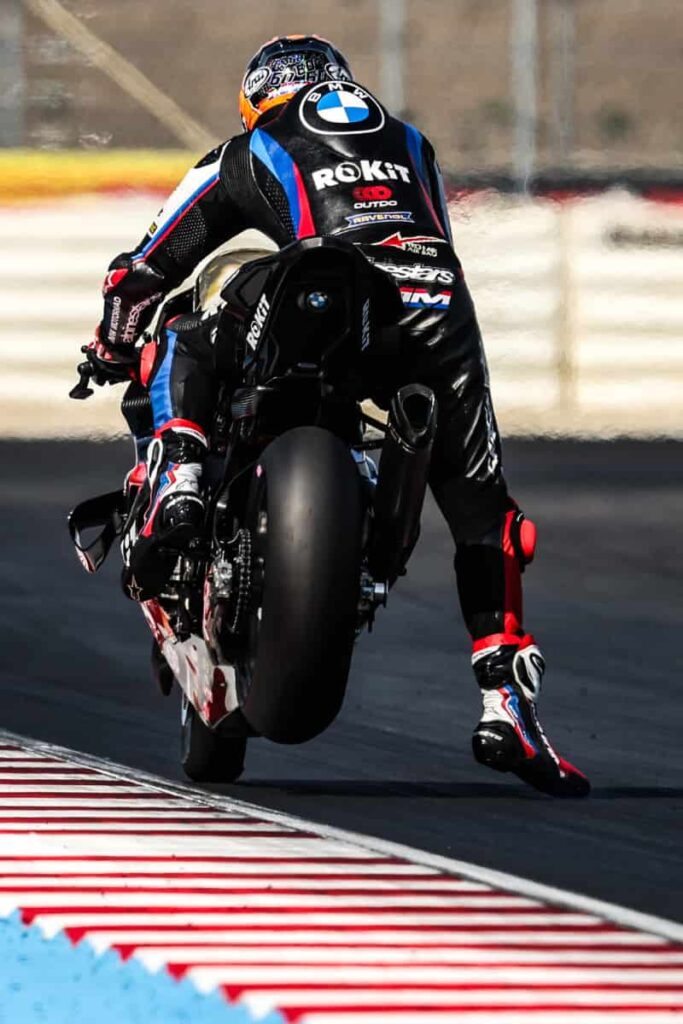
Photo by William Joly | Xavi Vierge – WSBK Assen 2025, moments before the race.
How William Ended Up Trackside
William didn’t arrive in the paddock through a marketing agency or a media internship. His path is simpler than that: one race, one circuit, and a kid who couldn’t stop going back.
Over time he realized he didn’t just want to watch the races; he wanted to freeze the feeling of a bike at full lean, the tension on the grid, or a quiet moment in the box before a night stint. That mix of racing and image became the thing he built his life around.
That matters for riders and teams because you can feel it in the way he talks about the job. He’s not trying to “produce content.” He’s trying to catch the one frame that will still mean something ten years from now.
Photo by William Joly | 24H Le Mans 2022 – Sunday morning, with the EWC podium to the right: SERT, YART, and FCC.
Chasing the Frame With William Joly
Q. When you press the shutter on a “great” frame, what’s happening for you in that moment – and right after you see the image?
I feel really happy inside, but I try to stay focused on the job. When I’m finally free to check the picture, that’s when the smile goes almost to my ears, ahah. After that I’m just excited to get back to the media center to edit it and send it to my client!
Q. In your world, what separates a “nice photo” from a photo with intent – what’s the tell?
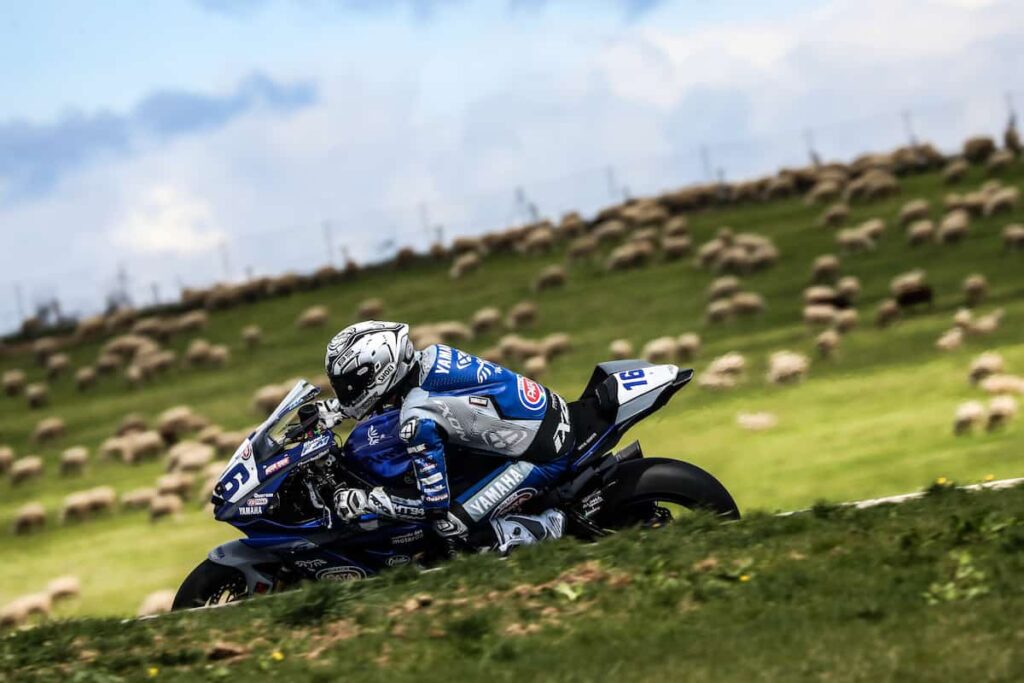
For me, the difference between a nice photo and a photo with intent is what is happening behind the subject. For example, at sunset or sunrise, one time I had a field full of sheep with a bike in the foreground.
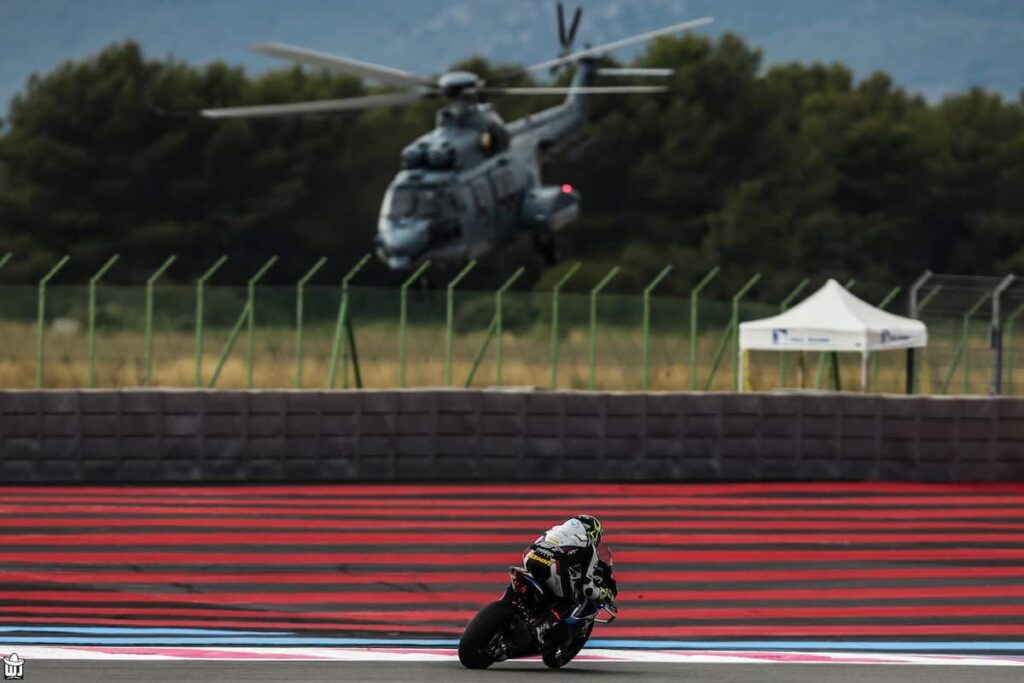
Photo by William Joly | When I asked William for a photo that really captures the intent, he pointed me to this one.
A picture focused on the bike that is really impressive is when a rider is right on the limit, saving the front, or in a really big time-attack lap. It also depends on the rider; the riding style can make your life easier.
Q. Before a session starts, what are you looking for to decide where you’ll stand – and what makes you move mid-day?
I look for the light first. If the light is really good in the morning, I’m going to do action pictures on track. I also check the light in the pit lane and, if it looks the way I want it, I shoot one exit from the box and then go quickly out to the track.
Q. What’s a trackside moment people don’t think is important, but you’ve learned it’s where the real story lives?
Mhhh, maybe the out-lap. On the out-lap the riders are not at full push yet – they’re warming up, looking around, and you can see small details you don’t always catch in a time attack. But to be honest, you have to be focused all the time the bikes are on track because you never know. It can be a client who sees you and makes a sign to you, a small mistake, a big wheelie, or anything else. So always keep an eye on the track and be ready to shoot!
Photo by William Joly | The relationship isn’t just in the paddock – it carries onto the track too. Here’s William’s friend Marvin Fritz, EWC World Champion (2023).
Q. What do riders or teams do that quietly makes your job easier – the small, unsexy stuff – and what’s the fastest way they accidentally kill a shot?
Now I know the team I work with very well, so it’s easy to ask them to remove something from the bike or the background if it disturbs the picture, and often they do it without me even needing to ask because they are used to working with me.
But sometimes, yes, they can kill a picture, haha. For example, during grid walk it’s stressful; they have to check many things, so they might pass right in front of the lens at the wrong moment, but it’s not intentional. They are also working and their priority is the race, so you have to respect their position.
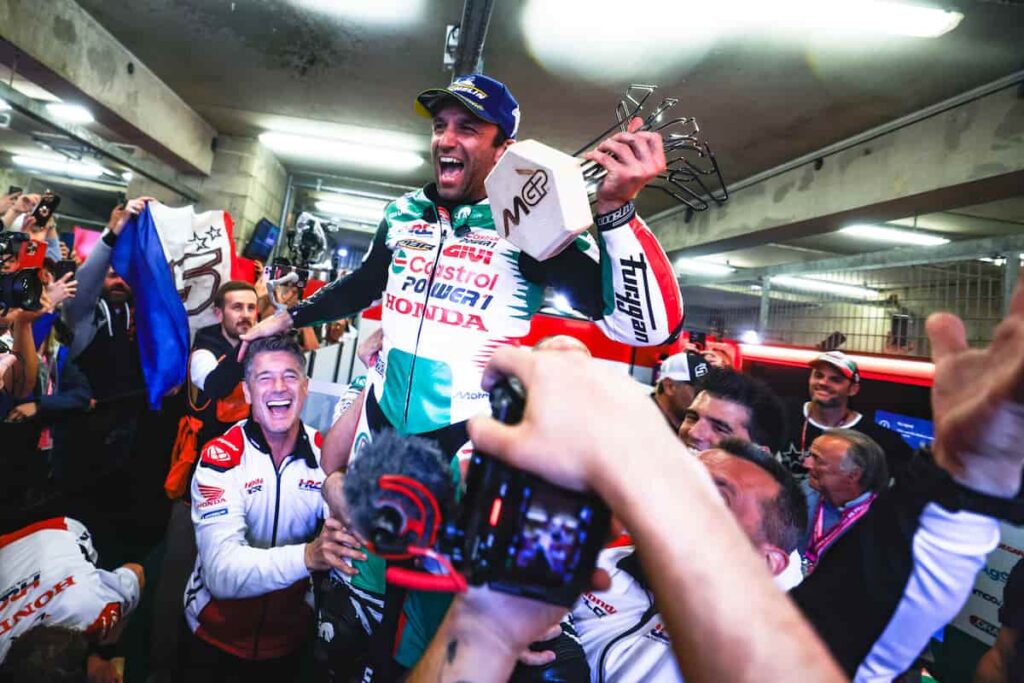
Photo by William Joly | MotoGP Le Mans 2025 – Zarco victory. “A dream to live a moment like this.” -William
Q. What’s one image you still think about because you missed it – and what did it teach you about timing or patience?
Mh, I think it would be a photo of a big moment in a race with two riders fighting for the title. A shot that could be historic!
Q. How do you balance “getting the safe shot” with chasing the riskier frame that might actually say something?
This is a difficult one, haha. For me, I do the riskier frames during practice or qualifying. During the race it’s difficult, because if you want to make artistic pictures you can miss an overtake or something else, but to be honest it happens. Sometimes you see something that you have never seen before and you can’t miss it, so you take the risk!
Photo by William Joly | Michael Van Der Mark, Balaton Park wsbk 2025
Q. If you had to teach a rider one simple habit that makes them look better in photos at speed, what would it be – and why does it work?
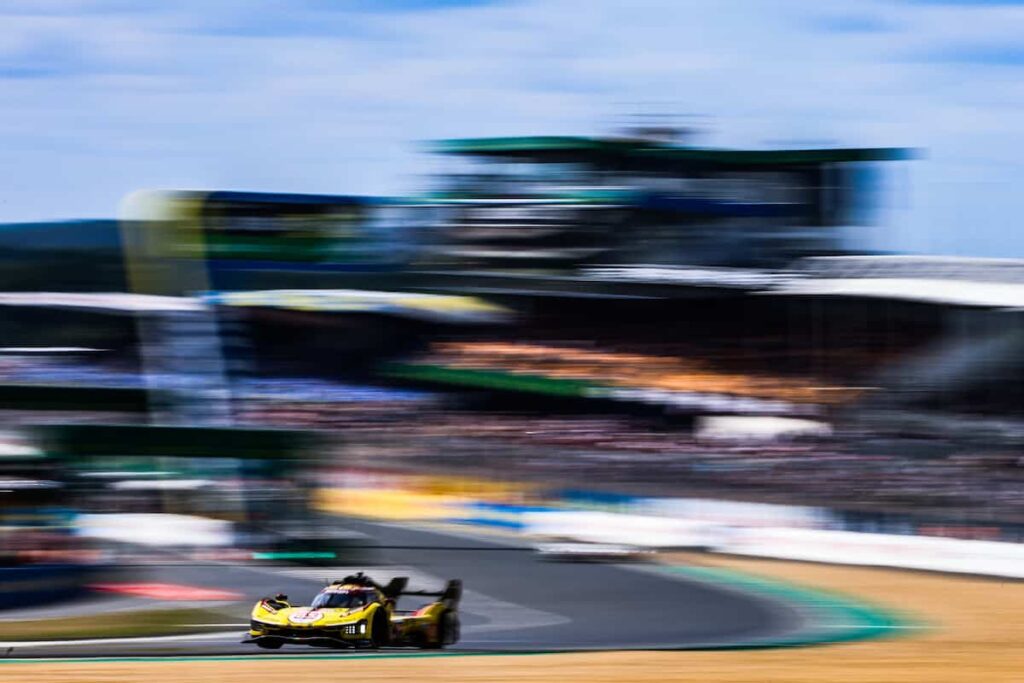
Slow shutter, my friend! If the rider holds a clean line and a stable body position, a slow shutter really shows the speed and makes them look great on the bike.
Q. What’s a myth riders (and fans) believe about track photography that you wish would disappear?
“You just click on a button”!
Photo by William Joly | Bol d’Or – Kenny Foray in his element.
Why This Matters for Track Riders
If you’re a rider, you don’t have to think about the background, the light, or how your body language reads from the outside. You’re busy trying to hit reference points, keep the bike settled, and manage your own head.
But people like William are part of why track life feels the way it does when you look back on it later. A slow-shutter pan that makes your lines look clean. A quiet shot in the box before first practice. A mid-race moment that shows exactly how hard you were fighting, even if the lap chart doesn’t.
He’s watching the same details your coach talks about – commitment, consistency, style – but through a different lens. Literally.
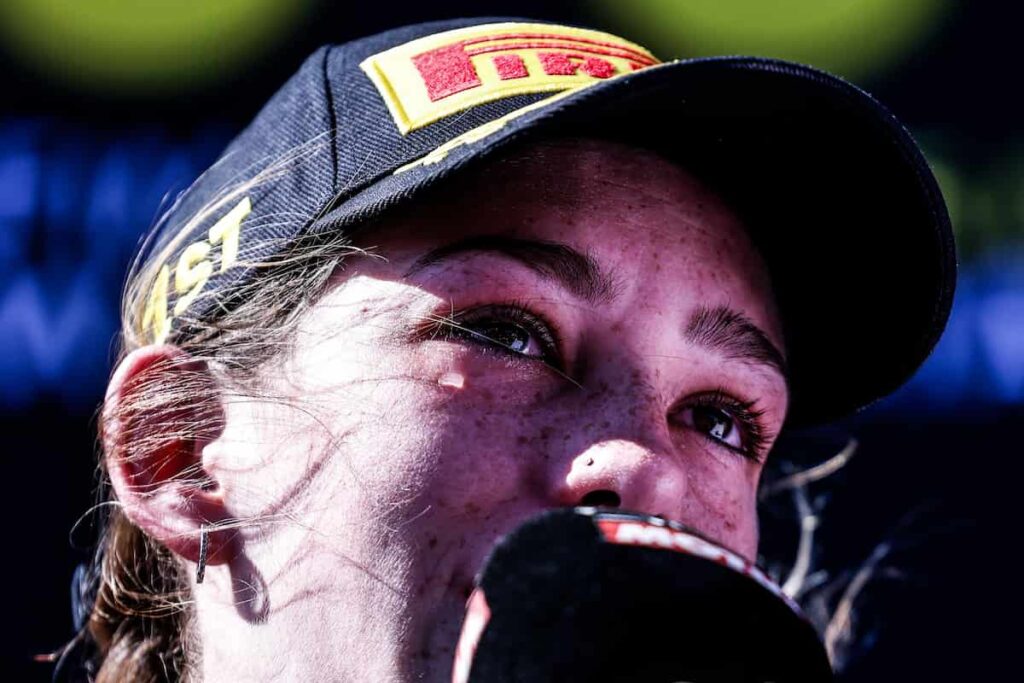
Photo by William Joly | Paola Ramos – First race as a wildcard – and a win. WCR Jerez 2025.
TrackDNA Takeaways
– Talk to your photographer: a short chat about your goals or style can change the shots you get.
– Treat out-laps as part of your story: your warm-up body language and small details still show who you are on the bike.
– Hold a clean line and calm, stable body position; combined with a photographer using slower shutter speeds, your photos can look as fast as it felt on track.
Photo by William Joly | Love how you can feel the speed of the Ferrari Hypercar here. Le Mans 2025 – and this one was the winner. -William
TrackDNA Note
At TrackDNA, we’re planning to spend more time with the people behind the cameras – the ones who freeze the paddock, the grid, and the late-night work in the box so the rest of us can remember why we keep coming back.
William Joly – Photo by Lilian at LSRDDesign | Media day and track walk done – see you tomorrow for FP1. – as William jokingly puts it.
William’s answers are part of that bigger story. The next time you see someone crouched in the gravel with a camera while you roll out for your out-lap, remember: they’re not “just clicking a button.” They’re chasing the same thing you are on the bike – that one lap, one moment, one frame that really counts.
Sean studied in Southeast Asia, did his stretch in corporate America as a Chief Revenue Officer, and then traded boardrooms for pit lanes. He’s a published author, and these days he’s on the grid with CMRA - on his way to MotoAmerica - and behind the scenes as the slightly obsessed human building TrackDNA, a magazine for riders who care as much about the culture and craft as they do about lap times.