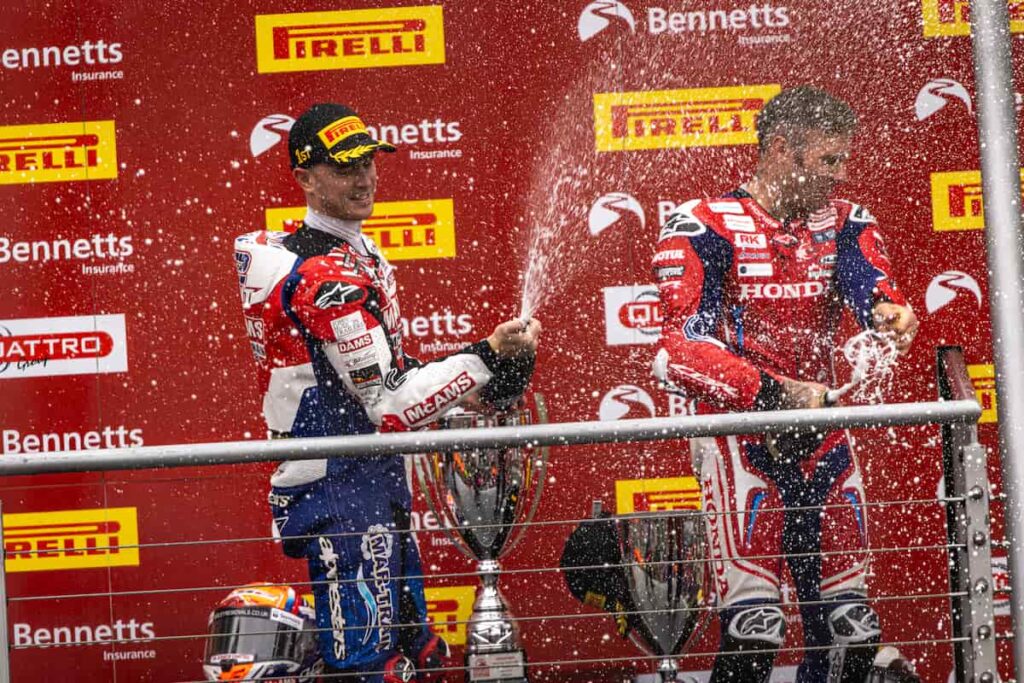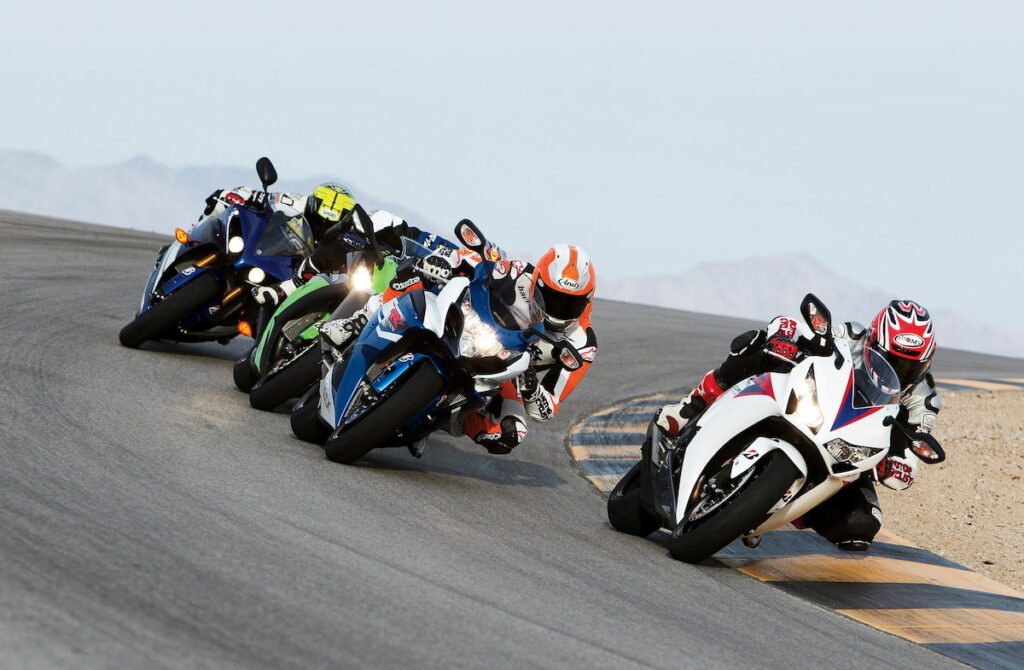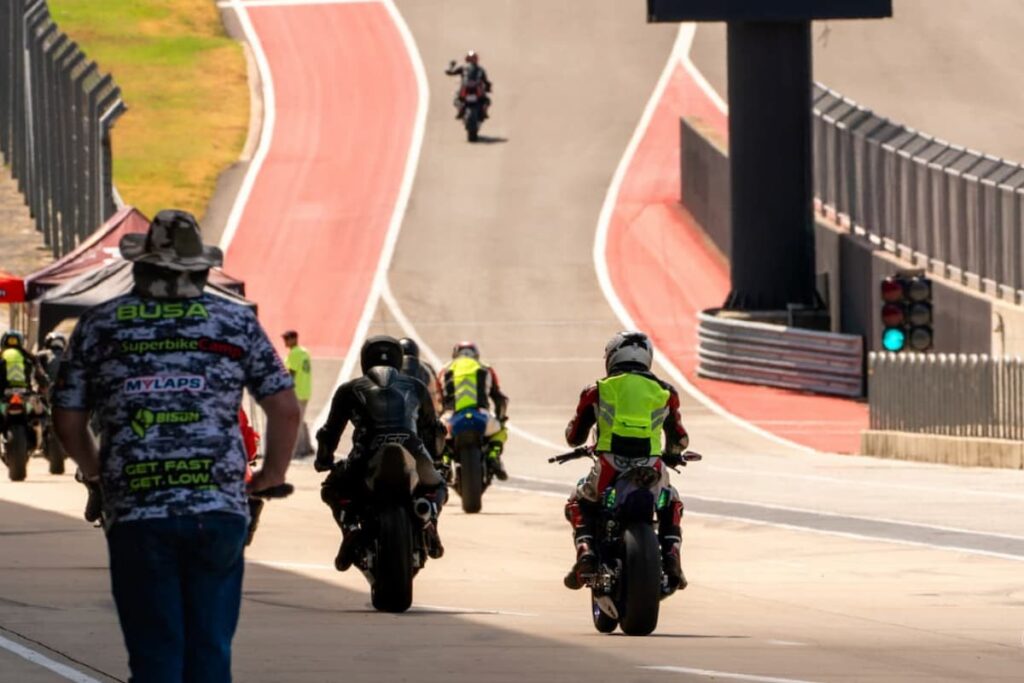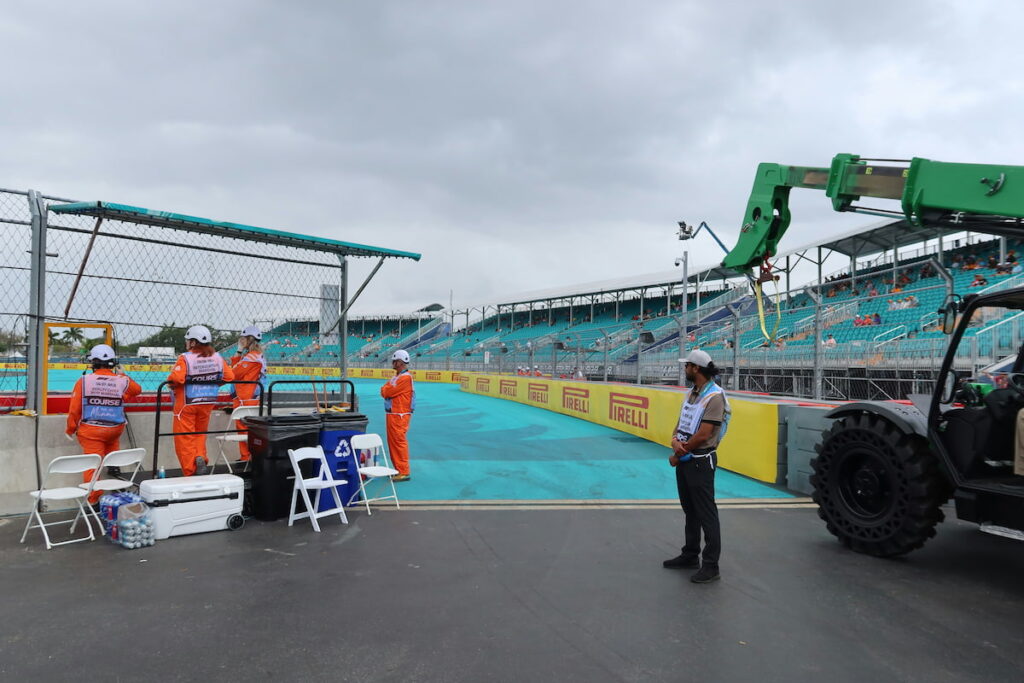
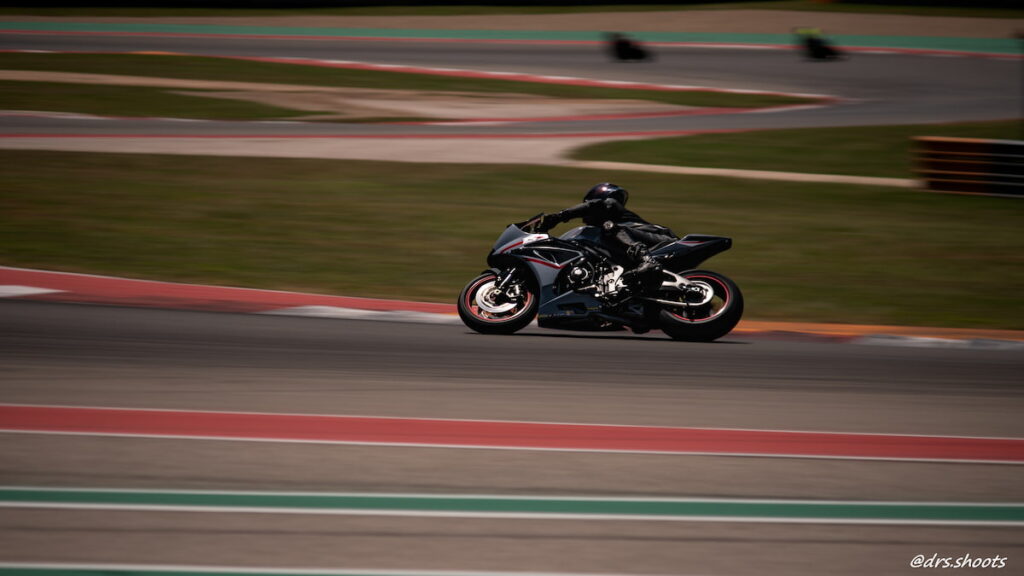
Photo by David Schwartz
There’s a moment a lot of creatives can point to when a hobby quietly crosses the line into something more.
For David, one of TrackDNA’s young paddock creatives, that moment didn’t actually happen at the track. It happened later, at home, staring at a batch of NASCAR shots from Circuit of The Americas (COTA) on a screen and thinking:
“Yo… these are cool.”
Not perfect. Not professional. But cool enough to light something up.
He’d brought his camera almost on a whim. At the time, he was still shooting in full auto — autofocus, automatic exposure, the whole thing. Just a fan with a camera, pressed up against the fence like everyone else.
“I didn’t know what I was doing,” he laughs. “I was just taking pictures and seeing what happens.”
What pulled him in wasn’t a single magic frame. It was the realization that he could change things — aperture, shutter speed, angles, the way motion looks — and they all added up to something that felt like his.
“That’s what hooked me,” he says. “Not just the shot itself, but the fact that I could push a camera and make speed look the way it feels.”
From Point-and-Shoots to Pan Shots
Photography wasn’t a random pick for him.
He remembers playing with his parents’ point-and-shoots as a kid, and later carrying his grandfather’s early Samsung camera on trips with his church group because it had a touchscreen and felt futuristic. Cameras were always “the coolest thing ever,” even before he knew a single thing about exposure.
He bought his first camera around 2017, right after high school, with very normal intentions. No big career goal, no master plan.
“I wasn’t intending to do anything with it,” he says. “It was just a side hobby. If I got the chance, I’d go play.”
Motorsport slowly gave that hobby a direction. NASCAR at COTA. Car meets. Car shows. Air shows. Anything with an engine and a bit of access. Somewhere in that mix, he discovered pan shots — the technique of tracking a moving subject with the camera at a relatively slow shutter speed so the background blurs and the subject stays sharp.
He saw a YouTuber do it with a tuk-tuk puttering through traffic in India. Maybe 10 mph. The photo looked like a superbike on the back straight.
“That blew my mind,” David says. “You can take something that’s barely moving and make it look like it’s flying. I fell in love with that idea of showing speed that isn’t really there.”
From that point on, motion wasn’t just a technical detail. It became his language.
The Paddock: Faces, Rituals, and Recognizable Bikes
On track, the bikes and cars are loud. In the paddock, the details are.
David is the first to admit he’s still learning how to “see” the paddock the way he wants to, but there are already patterns in how he works.
“When I walk into a paddock, I usually do a quick scope,” he says. “What’s here? What bikes do I like? What’s going to be easy to recognize later?”
He’ll scan for standout liveries or unique details — like Damien’s instantly recognizable bike at 316 Superbike Camp events — because it makes it easier to match people to their photos afterward. A sea of red Ducatis is a sea of red Ducatis, but leathers, helmets, and small touches help him anchor who’s who.
“If I don’t know you, I’ll ask, ‘Okay, what color is your bike? What color is your gear?’ because twelve guys on red Ducatis all look the same from a distance,” he says.
The second thing he looks for is people in moments that feel real:
- A rider praying before every session.
- A partner helping zip up a suit.
- A racer staring down their bike before a CMRA prep race, eyes narrowed, mentally checking oil, fuel, and nerves all at once.
“I love those kinds of things,” he says. “You can see what the day means to them before they even roll out.”
The paddock, for David, isn’t just a parking lot. It’s the pre-race internal monologue in physical form.
Cars vs. Bikes: Two Different Beasts
David shoots both cars and motorcycles, and he doesn’t treat them the same.
“Bikes and cars are two totally different beasts when you take pictures,” he says. “Bikes are so small and nimble that they feel faster, even if they’re going the same speed.”
That difference changes how he approaches a shot.
With cars, you usually have to slow the shutter more to show motion; if you freeze the wheels completely, the car can look parked. Sponsors want logos visible, so there’s always the balancing act between blur and readability.
With bikes, he can shoot at relatively high shutter speeds and still get a sense of speed because of body position, lean angle, and the way the rider “draws” a line through the corner.
When he shoots, he runs everything manually — including focus.
“A lot of motorsport photographers would say that’s dumb,” he says, half-joking. “But I like the control. I want to decide what’s sharp, what moves, what doesn’t.”
316 Superbike Camp gave him his first real chance to learn how to shoot bikes properly from trackside, not just spectator fencing. He describes that first event as mostly practice and experimentation.
“They’re so fun,” he says. “There’s so much potential in how a bike moves. But it definitely humbled me. I had to learn fast.”
Get the Inside Line
Real stories, track insights, and paddock moments — straight from riders who live it. No noise, no fluff, just the DNA of the track delivered to your inbox.
The Shots That Stayed With Him
Ask David what shot made him think, “Okay, this is what I want to do,” and he slows down. Not because he doesn’t have an answer, but because he has too many.
On the motorcycle side, two photos stand out — both taken in the same spot: just off Turn 20 at COTA, right as riders come out near pit-in.
One is a red bike, ridden by the fastest rider in its class that day, hanging a power wheelie out of the corner. The other is a 316 Superbike Camp rider named George on a Repsol-style replica, lifting the front in almost the exact same place.
George loved that photo so much that the next time David saw him in the paddock, he pulled him aside to show him something.
He’d printed it. Framed it. Hung it in his garage.
“That blew my mind,” David says. “It was such a thoughtful thing to do. That someone would take a picture I shot and put it on their wall… that was crazy to me.”
On the car side, another memory sticks: standing on the bridge over the esses at COTA, panning straight down as cars came beneath him. One frame — just one — caught an Aston Martin (or maybe a Porsche; he still debates it) perfectly between the fence posts in a diamond of open space.
“That was one of those, ‘Okay, I didn’t totally know what I was doing, but this is cool’ moments,” he says.
Later, inspired by a challenge from one of his favorite motorsport photographers, he went out and shot at 1/15 of a second, handheld, just to see if he could. The hit rate was brutal — maybe three usable frames out of hundreds — but one image of the eBoost GMG Porsche made the entire experiment worth it.
“It’s one of my favorite pictures,” he says. “I show it to people like, ‘Look, this is one-fifteenth, freehand, no tripod.’ It reminds me what’s possible if you’re willing to miss a lot to get something special.”
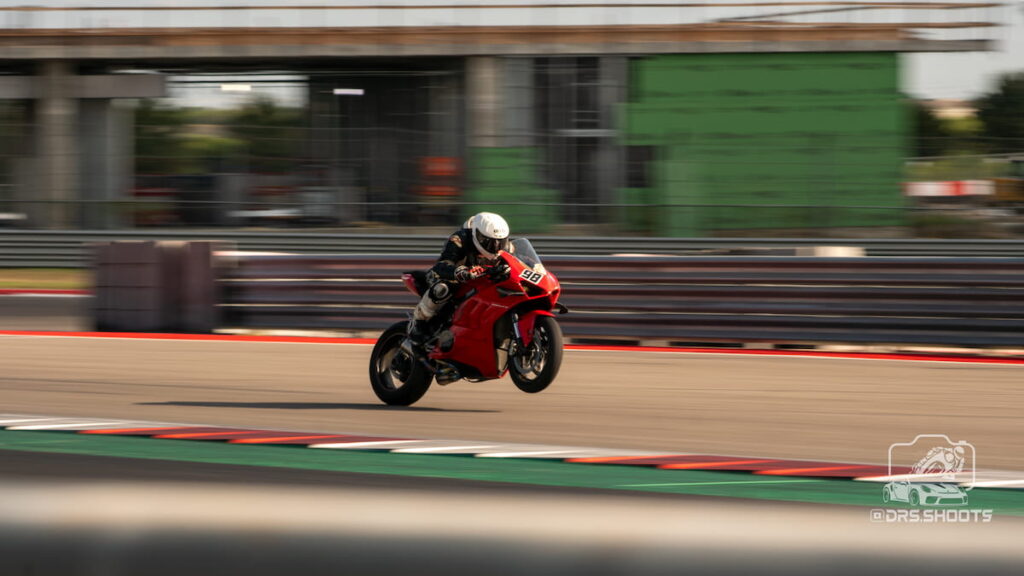
Photo by David Schwartz
What Feels Like Home
For all his humility, there’s one thing David will admit comes naturally: panning.
“It shocks me when people say panning is the hardest thing,” he says. “It’s where I’d rather shoot. I don’t even like taking still shots anymore.”
Car shows, in particular, don’t do much for him these days. He still goes, but he’s less interested in full-car glamour shots and more drawn to the small, intentional details people bring to their machines:
- Guardian bells hanging low, with tiny bits of artwork and symbolism.
- Stuffed animals strapped to pillion seats.
- Keys with custom tags sitting in ignitions.
- Helmets telling their own stories through chips, stickers, and scuffs.
“For some reason, those little things pull me in,” he says. “I’ll take three photos of a bell before I take one of the whole bike.”
That mix — motion on track, details in the paddock — is what feels like home to him right now.
He’s quick to caution that he’s not “there” yet.
“I’m definitely not the best at it,” he says. “I still need to practice. But that’s where I’m most myself with a camera.”
What Still Feels New
Ask him what still feels like he’s learning, and he laughs.
“A lot,” he says. “So much. It’s insane how much I still feel like I’m figuring out.”
He’s still:
- Hunting new angles at familiar tracks.
- Trying to find “that one spot” at COTA where riders snake through with the flag or tower perfectly framed behind them.
- Learning to edit faster, cleaner, and with a lighter touch — avoiding the over-editing trap a lot of new shooters fall into.
- Pushing himself to make images that need less fixing in post because the camera work was right to begin with.
He’s also constantly exploring “wrong” spots: standing on drainage grates, shooting through fences, putting himself where most people wouldn’t think to stand.
“One of my favorite places recently is this runoff area by the bridge over the stadium section at COTA,” he says. “You’re shooting through the fence, but the angle is so cool. I love it.”
For David, the learning curve isn’t a discouragement. It’s fuel.
Dream Races and Late-Night Traditions
If you really want to understand how deep this goes for him, look at his race-watching habits.
For almost seven years, he’s watched the Rolex 24 at Daytona start to finish — all 24 hours. No skipping stints. No dropping in and out. Just him, the race, and every storyline in between.
“I absolutely love it,” he says. “The pros, the amateurs, the prototypes, the GT3s, running together for 24 hours straight… I can’t get enough.”
Shooting the Rolex 24 — even from spectator areas — is high on his dream list. So are:
- The 24 Hours of Le Mans.
- The Daytona 500.
- MotoAmerica rounds.
- Goodwood Festival of Speed.
- Pikes Peak.
- Any event where multiple classes mix and weird combinations of machinery end up in the same frame.
“There are so many moments I’d love to shoot,” he says. “Hopefully I’ll get that chance one day.”
Why Photos Still Matter
When David talks about why photography matters, his voice shifts.
“A lot of people say a picture’s worth a thousand words,” he says. “They’re definitely right.”
He brings up the photos lining the walls of COTA’s tower elevator and rider spaces — MotoGP riders sailing past their teams on the front straight, full crews clinging to fences, faces twisted in victory or relief. He doesn’t always know the backstory, but he can feel it.
“I could spend a whole day just looking at those pictures,” he says. “They’re full of stories. You can see the emotion even if you don’t know the exact moment.”
He feels the same way about more local, personal images:
- A rider printing his photo and hanging it in the garage.
- A Call of Duty champion-turned sim racer-turned real-world driver celebrating his first class win in IMSA, with David somewhere on the outside of that moment, framing the car as it crosses the line.
“Some images might not tell a story to anyone else, but they do to me because I was there,” he says. “I can look at a picture and remember, ‘Oh yeah, that was the weekend this happened with my brother,’ or, ‘That was the day this rider finally got their first win.’”
That’s what he wants to give to riders and readers: not just “a shot from your track day,” but a frozen fraction of a second that carries a whole weekend with it.
What David Hopes to Bring to TrackDNA
As one of TrackDNA’s young paddock creatives, David is clear about what he hopes to bring — and what he wants to learn.
“I hope I can provide useful and cool pictures that actually mean something to the story,” he says. “Not just, ‘Here’s a random shot of a famous rider who wasn’t there.’ I want my photos to belong to the moment they’re used in.”
He doesn’t call himself a professional. He’s not full-time. For now, this is still “just a hobby” on paper — but the way he talks about it says otherwise.
“It’d be really cool to have the opportunity to prove myself,” he says. “To show what I can do, get some exposure, and hopefully grow into bigger things.”
He wants his style and energy to come through:
- Motion-heavy panning shots.
- Intimate paddock moments.
- Small details that other people walk past without seeing.
- Angles that feel a little different from the usual fence-line photos.
He also carries a healthy perspective about what he can’t control. A friend once told him that you can’t beat yourself up over the moments you miss — there’s only so much one photographer can do on a big circuit.
“In the end, a photo is a fraction of a second,” he says. “You can’t be everywhere. Someone else is going to get a moment you don’t, and that’s okay. You just have to focus on being ready when your moment comes.”
That’s where David is now: elbows tucked in, viewfinder up, still learning, still experimenting, and still chasing new angles — from the paddock to the apex and back again.
Get the Inside Line
Real stories, track insights, and paddock moments — straight from riders who live it. No noise, no fluff, just the DNA of the track delivered to your inbox.
Author
-
Sean studied in Southeast Asia, did his stretch in corporate America as a Chief Revenue Officer, and then traded boardrooms for pit lanes. He’s a published author, and these days he’s on the grid with CMRA - on his way to MotoAmerica - and behind the scenes as the slightly obsessed human building TrackDNA, a magazine for riders who care as much about the culture and craft as they do about lap times.
Recent Posts